TL;DR
The short version
Old knowledge work was sculpting: your hands on every email, doc, and analysis. AI turns it into gardening — you create the conditions for the work to happen and compound the learnings back into the system, without touching every output by hand.
The operator move is to stop doing tasks and start building loops: hand the agent the OKRs, KPIs, and playbooks you already run the team on, standardize one task at a time, and expand the human team around the agent to supply the taste it can't. The sharpest discipline is knowing when to buy — you can build anything, but the real question is whether you should build and maintain it.
Built from a working conversation with Natalyia (Head of Consulting, Every) and Dan Shipper on the AI & I podcast.
From sculpting to gardening
The reframe is the whole idea. Old knowledge work put your hands on every output — you shaped each deliverable yourself. The new mode is setting conditions and compounding what you learn back into the system so it improves each cycle.
Knowledge work now is turning into something like gardening — you're creating the conditions for the growth to happen, but you're not making the plant with your hands.
Natalyia, Head of Consulting, Every
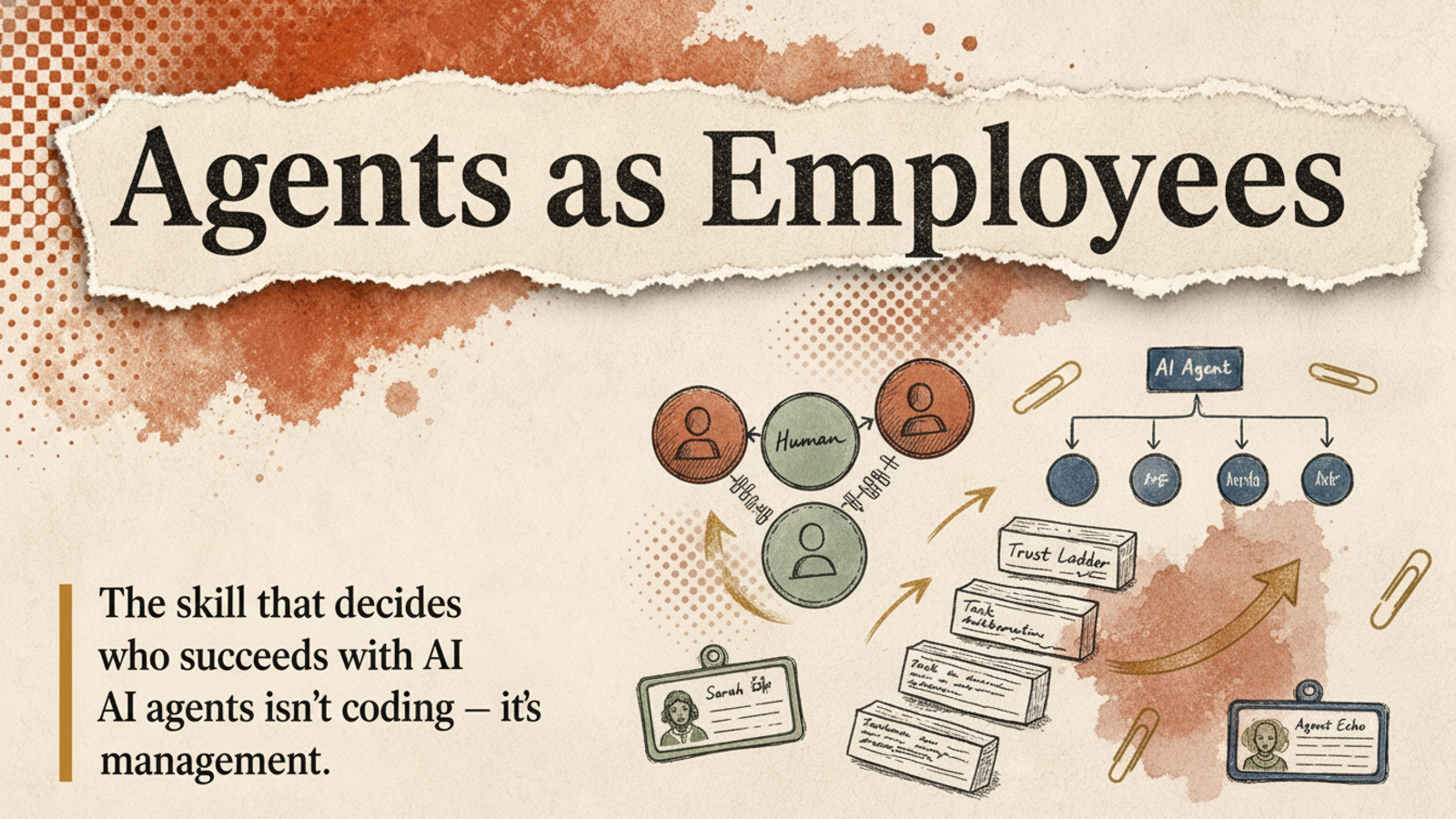
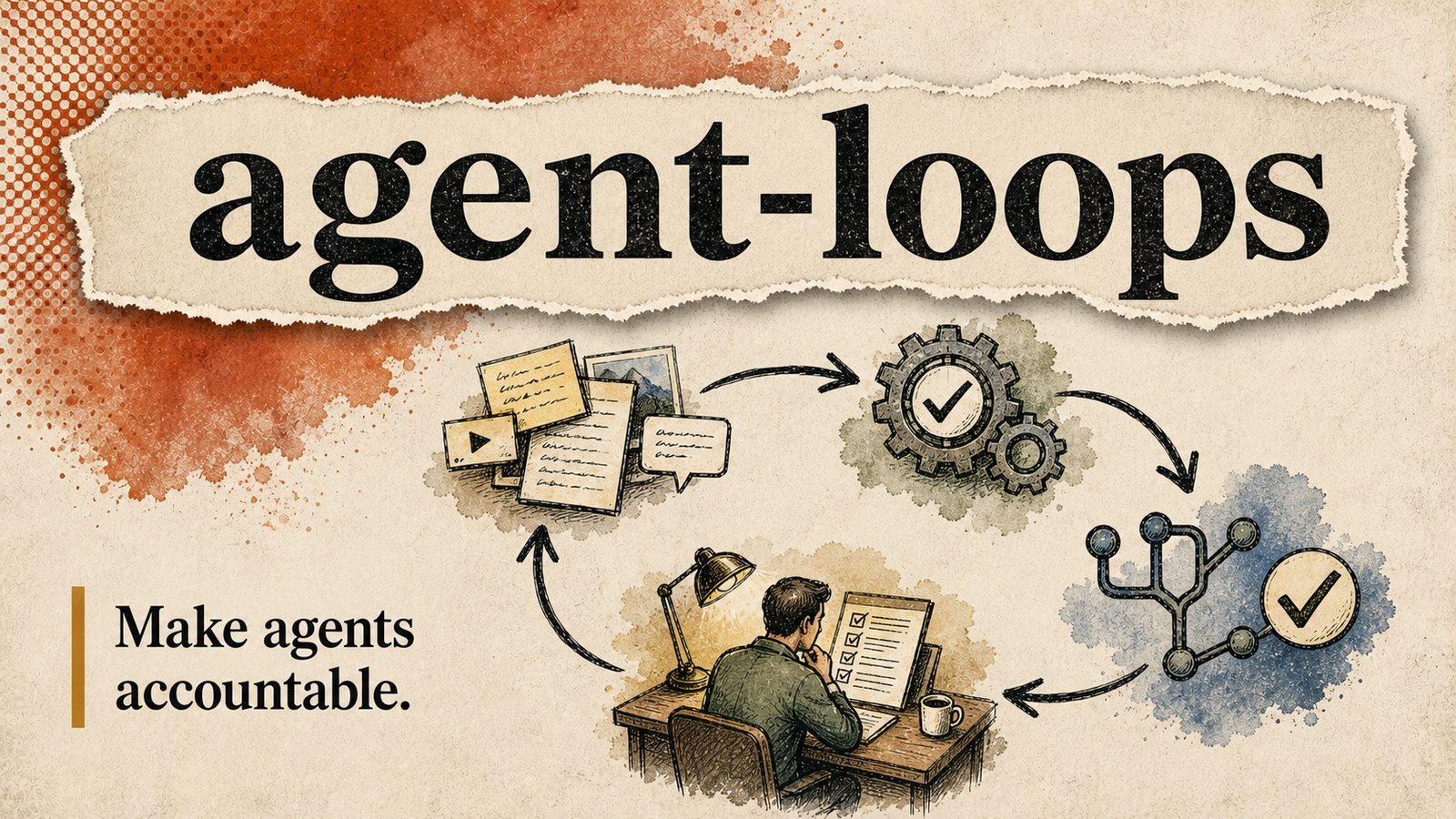
Loops, not tasks. Instead of doing each email, you build the system that does your emails and intervene at the ends. Dan Shipper's frame for it is a "human sandwich" — a human at the start to say this is worth it, and at the end to refine — with the agent grinding the middle. It's the manager's shift from doer to leader, made concrete: you stop instructing autocomplete every turn and start designing a repeatable system with human checkpoints.
Start with the systems you already have. Being AI-first often just means standardizing and writing down how you do a single thing really well, then handing the agent the same OKRs, KPIs, and playbooks you use to run the team. Standardize one task at a time. The biggest mistake is trying to remake the whole thing at once — a garden compounds one bed at a time, not in a single replanting.
The overnight loop is gardening at rest. She gave a coding agent a goal to reconcile her CRM against every client conversation and inbox; six hours later she woke to an estimated weeks of work done. The conditions were set, the growth happened unattended, and she intervened at the end.
The two disciplines that keep it honest
Agents need management, not just deployment. Their internal agent — "Claudia" — runs sales, CRM, and dashboards daily and is excellent at executing a standard operating procedure, but it still needs constant oversight for taste and excellence, and the data it surfaces still needs a human to say what's interesting. So the human team is expanding around the agent, not shrinking. Deploying an agent creates a management job; it doesn't remove one.
Build-vs-buy is the real skill. You can build anything now — but that's exactly why the decision that matters moved. A vibe-coded CRM in a spreadsheet became a bought tool (Attio) and bought project management (Asana), because maintaining real software is a business someone else does better. Software is like your bones — a compilation of thousands of little logical rules; the model is the brain and ligaments. AI works around a deterministic system well, but won't reliably generate every edge-case rule a mature product already encodes. So the deciding cost is the maintenance, not the build.