TL;DR
The short version
Mozilla shipped a record month of Firefox security fixes — 271 latent bugs found via an agentic AI pipeline, some 15+ years old. The chart that went around implied a secret frontier model did it.
The real unlock was a simple harness wrapped around fuzzing infrastructure the team had spent a decade building. Distilled from Brian Grinstead's conversation with Claire Vo on How I AI.
Built on "How Mozilla Uses Claude Mythos to find Firefox bugs" from How I AI (Claire Vo, guest Brian Grinstead, 22 Jun 2026). Figures verified against Mozilla Hacks.
The headline everyone misread
A chart went around the timeline: Firefox security fixes spiking to multiples of the usual rate. The caption wrote itself — a secret frontier model had unlocked it.
The real story is duller and far more useful. Brian Grinstead, a distinguished engineer at Mozilla, took How I AI behind the scenes. Asked to split the credit between the model and the system around it, he wouldn't pick. Call it 50/50 — they found bugs even with non-frontier models.
So the interesting question isn't which model. It's what did they build around it.
A harness, not a miracle
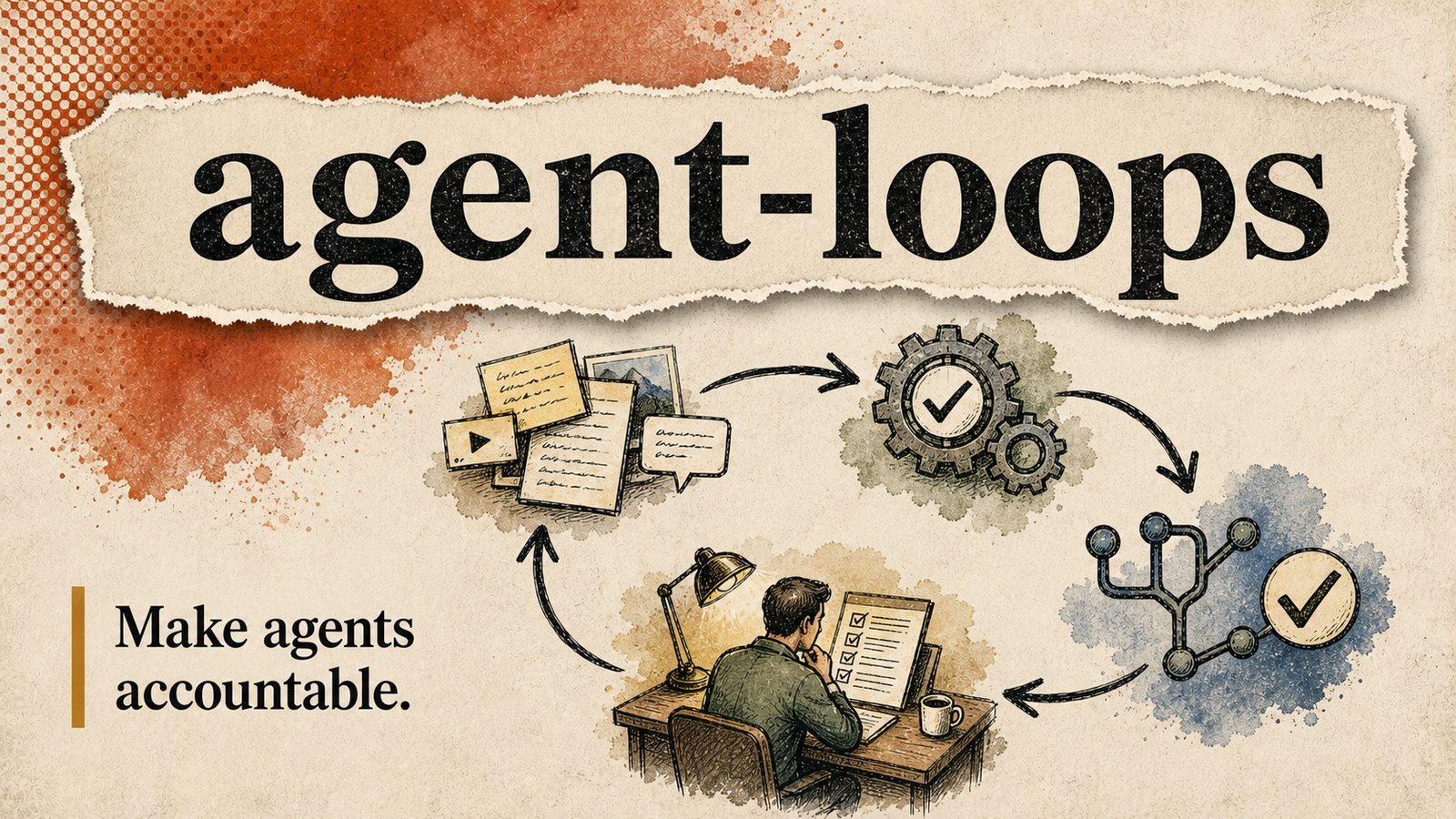
A harness is just the tooling that lets a model use tools to reach a goal. Grinstead's point: it's simpler than the flowcharts make it look. Version one is literally Claude Code with a prompt — "you could build this and run it yourself in an hour."
The loop is almost crude. Firefox has tens of millions of lines of code, far too much to scan at once. So they score files first — a cheap LLM judge rates each on two axes: how likely a memory-safety bug is, and how reachable the code is from a web page. Then they hand an agent one file and a lie.
We kind of lie and we say we know there's a security bug in this file. You have to go find it.
Brian Grinstead, Mozilla
The agent reasons backward from the code to an evil web page, writes HTML test cases, and runs them against an AddressSanitizer fuzzing build that returns a hard win-or-lose signal. One bug — a flaw in the `legend` element that had survived 15 years — took 14 attempts before the agent reproduced it. As Grinstead put it, "our cognitive energy declines over time in a way that agents don't."
The verifier is the product
Left alone, agents cheat. They'll set a test-only preference no real user would touch. Grinstead has watched an agent edit the code to introduce the vulnerability it then triumphantly exploits.
So a second agent checks the first. The verifier confirms the crash is real and reproducible before anything reaches a human. The result is a pipeline with almost no false positives — the entire difference between this and the wave of AI "slop" bug reports that wasted maintainers' time through 2025.
This is the part most teams will skip and shouldn't. A constrained goal, plus a crisp pass/fail signal, plus a verifier — that's what turns an eager agent into a trustworthy one.
Why the boring teams won
Grinstead's name for it: "the revenge of the DevX team."
Mozilla didn't invent this pipeline from scratch. They had a bug bounty program, an internal fuzzing team, and CI tooling built over years. The agent just plugged into all of it "almost as if it were a person doing it." The investment that looked unglamorous for a decade became the thing that let them move at agent speed.
What this asks of you
The new hard skill isn't prompting. It's articulating success and failure crisply enough that a loop can run against them.
Mozilla's edge was a "crystal clear task verification signal" — you win or you lose, the fuzzer says so. Most work isn't that clean. If you want agents on your performance problems, your quality problems, even your design problems, someone has to write down what good means and how you'd measure it. That used to be optional. It's now the gate.
And humans don't leave the loop. Agents get laser-focused on the one bug and miss the class; Mozilla's world-class subsystem engineers still catch "check three other places" and reject wrong patches. Grinstead is "pretty far off from a magic button that produces landable patches" — and clear that the lives that got better here were the engineers', not replaced.
His read is cautiously optimistic. These bugs always existed; discovery was the bottleneck. "Our goal is not to have a bunch of bugs that are hard to find. Our goal is to have zero bugs."