TL;DR
The short version
On a spreadsheet, a $10,000 Mac Studio loses to a $20 ChatGPT subscription for years. That's the wrong spreadsheet. When you own the machines, the meter is off — so you can leave models 'burning tokens' 24/7 on work that would be absurd to pay for by the request.
The build comes down to one trade-off: memory capacity versus memory bandwidth. Match the model to the machine, let a personal agent act as sysadmin, and the fleet runs itself. Drawn from Alex Finn's setup on How I AI; hardware specs verified against manufacturer and retail listings.
Based on Alex Finn's episode with Claire Vo on How I AI. Hardware claims verified; performance and eval claims are the guest's self-reported experience.
The value is unmetered time, not ROI
The obvious objection to buying a $10,000 Mac Studio for AI is that a ChatGPT subscription costs $20 a month. On cost alone, the cloud wins for years.
That misses the point. Alex Finn — who keeps three Mac Studios, a DGX Spark, and a hand-built RTX 5090 machine running in his office — puts it directly:
The point isn't pure ROI. The point is the use cases it unlocks.
Alex Finn, How I AI
When the meter is off, you stop rationing. You can keep models working around the clock on jobs it would be absurd to pay for by the request. This is a practitioner's field report, not a benchmark — but the logic is starting to show up in serious places.
One trade-off decides everything: capacity vs. bandwidth
Pick hardware and you're really picking a point on a single curve: memory capacity versus memory bandwidth.
Apple's chips have unified memory — one shared pool the GPU can draw on entirely — so a 512GB Mac loads enormous models but moves memory slowly; a reply can take five minutes. Nvidia GPUs invert it: an RTX 5090 has only 32GB of VRAM but roughly 1,792 GB/s of bandwidth — 'cloud speeds, but locally.' In the middle sits Nvidia's DGX Spark, with 128GB of unified memory and plug-and-play setup.
Manufacturer and retail specs (Spheron; Micro Center).
There's no best tier. There's a tier that fits the task.
Match the model to the job
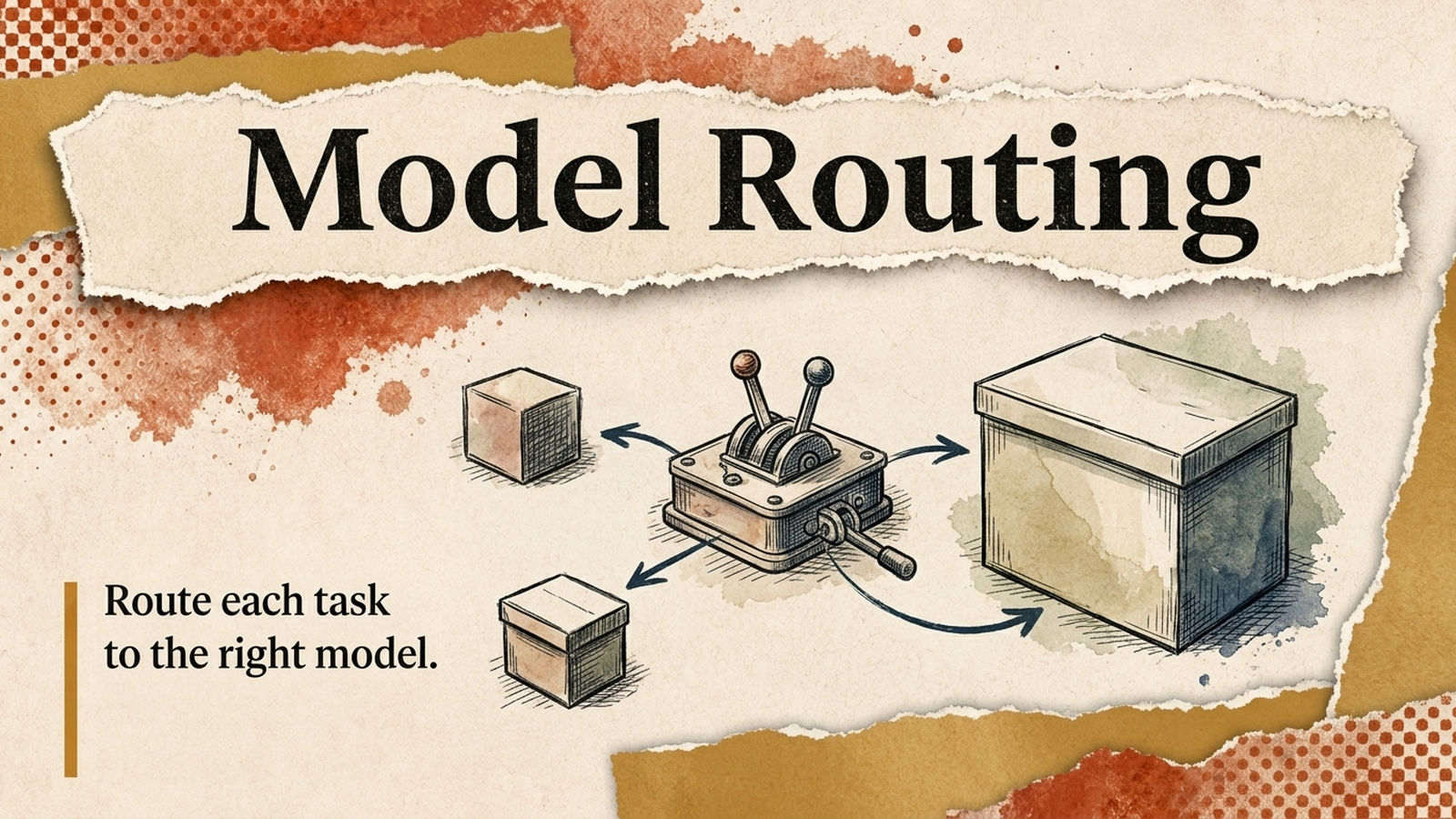
The fleet works because different machines do different work. The slow-but-smart model runs jobs that can wait: Finn points a 24-hour security scan at GLM 5.2, which he calls 'Opus 4.8-level,' because a frontier model only checks the report once. A faster, weaker model like Qwen 36 reads Twitter, Reddit, and Hacker News all day looking for product signal.
His metaphor is a sales team: the cheap local models are the reps qualifying leads; a frontier model in Claude Code is the closer. One day's scan flagged 374 issues; the expensive model reviews only the findings worth acting on. Run the closer on everything, and you'd be 'spending thousands and thousands a month.'
The real bet: own your intelligence
The part that makes a home fleet manageable is that a personal agent runs it. Finn uses OpenClaw or Hermes plus Tailscale to put every device on one private network; the agent then inspects new hardware, picks a fitting model, and installs it with 'no technical knowledge needed.' It's not clean — both hosts run several agents as failover because, in Finn's words, 'at any point three are always down.'
Strip away the hardware and the thesis is about control. Finn frames his buying spree as moving toward 'sovereign, own-your-own-intelligence' — a hedge as frontier models get restricted and high-memory machines get scarce. That scarcity is real: Apple pulled its 256GB and 512GB Mac Studio options in 2026 amid a RAM shortage, and resale prices for the old high-memory units surged.
Skeptics have a fair counter: for most people the economics still favor the cloud once you count depreciation, power, and the quality gap between open and frontier models. The honest read is that local AI isn't about being cheaper. It's about owning an always-on capability you can't rent by the hour — and deciding whether that's worth the price of admission.