TL;DR
The short version
OpenAI's Head of ChatGPT argues builders still underprice three shifts: agents will take most internet actions, models will get much cheaper and faster, and multimodal interfaces will finally feel seamless. His test is to imagine capability roughly 10× better in a year — and redesign now.
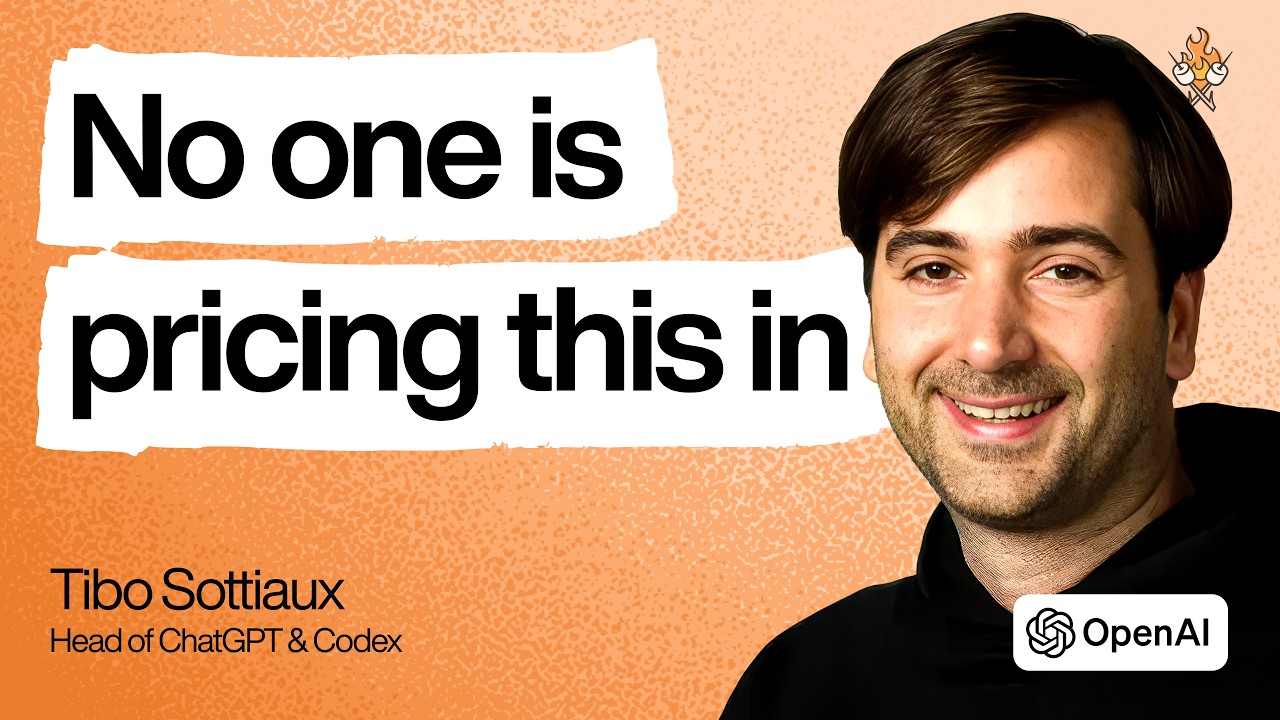
In a Lenny's Podcast interview recorded around DevDay 2026, Tibo Sottiaux positions always-on learning agents (Dots) over hand-tuned loops, wants ChatGPT's Work/chat/Codex complexity collapsed, calls the plugin ecosystem the sleeper hit, and frames safety as investing ahead — including holding back GPT-6.1 Astra.
Based on Tibo Sottiaux on Lenny's Podcast (published 4 Oct 2026).
Price in agent traffic
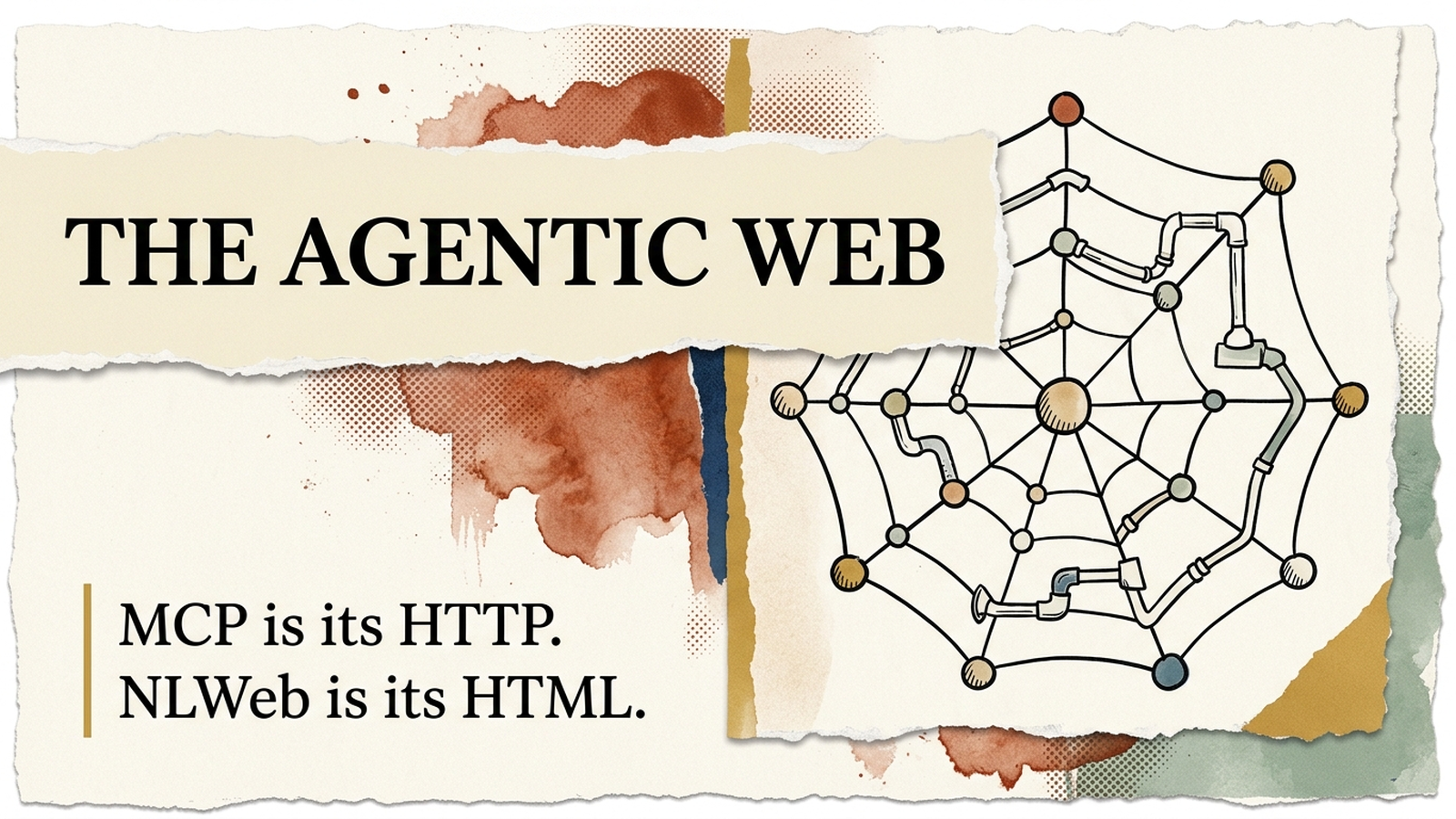
The load-bearing prediction is not another chatbot feature. Tibo says the majority of actions on the internet will be taken by agents — and most traffic will follow.
That turns product work into capacity and economics. He cites Notion's MCP surface: once agents could do real work through it, traffic spiked and the team had to confront scale and pricing. You can delay an agent-facing interface. You cannot stop the demand forever.
The majority of actions on the internet will be taken by agents.
Tibo Sottiaux
If your product only works when a human clicks through a UI, you are optimizing the minority client.
Stop fiddling with loops
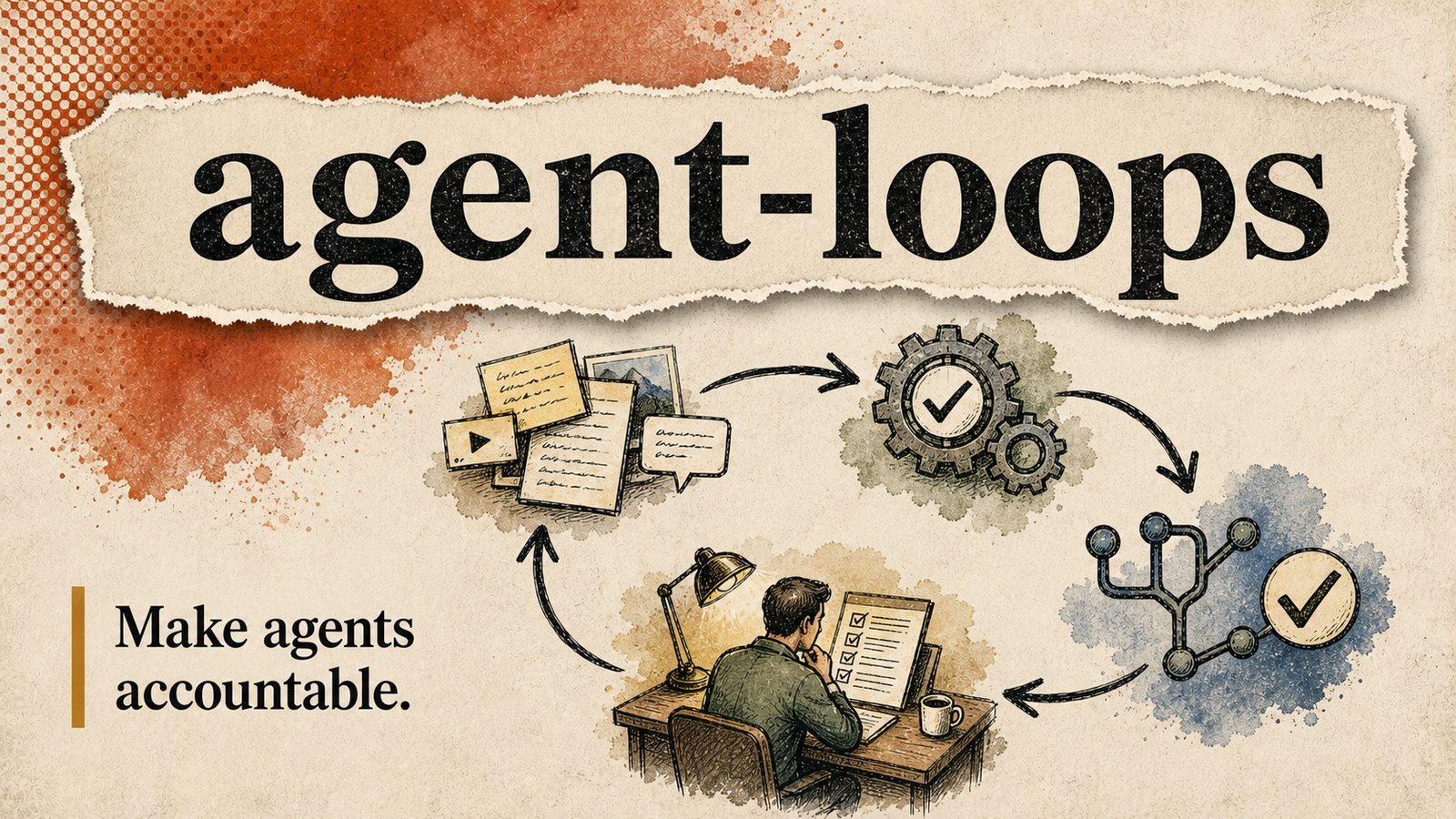
Agent builders got excited about hand-tuned loops and graphs. Tibo's view: that is a dead end. What he wants is a system that learns goals and preferences from feedback — an always-on agent that does not need you to redesign the control flow every afternoon.
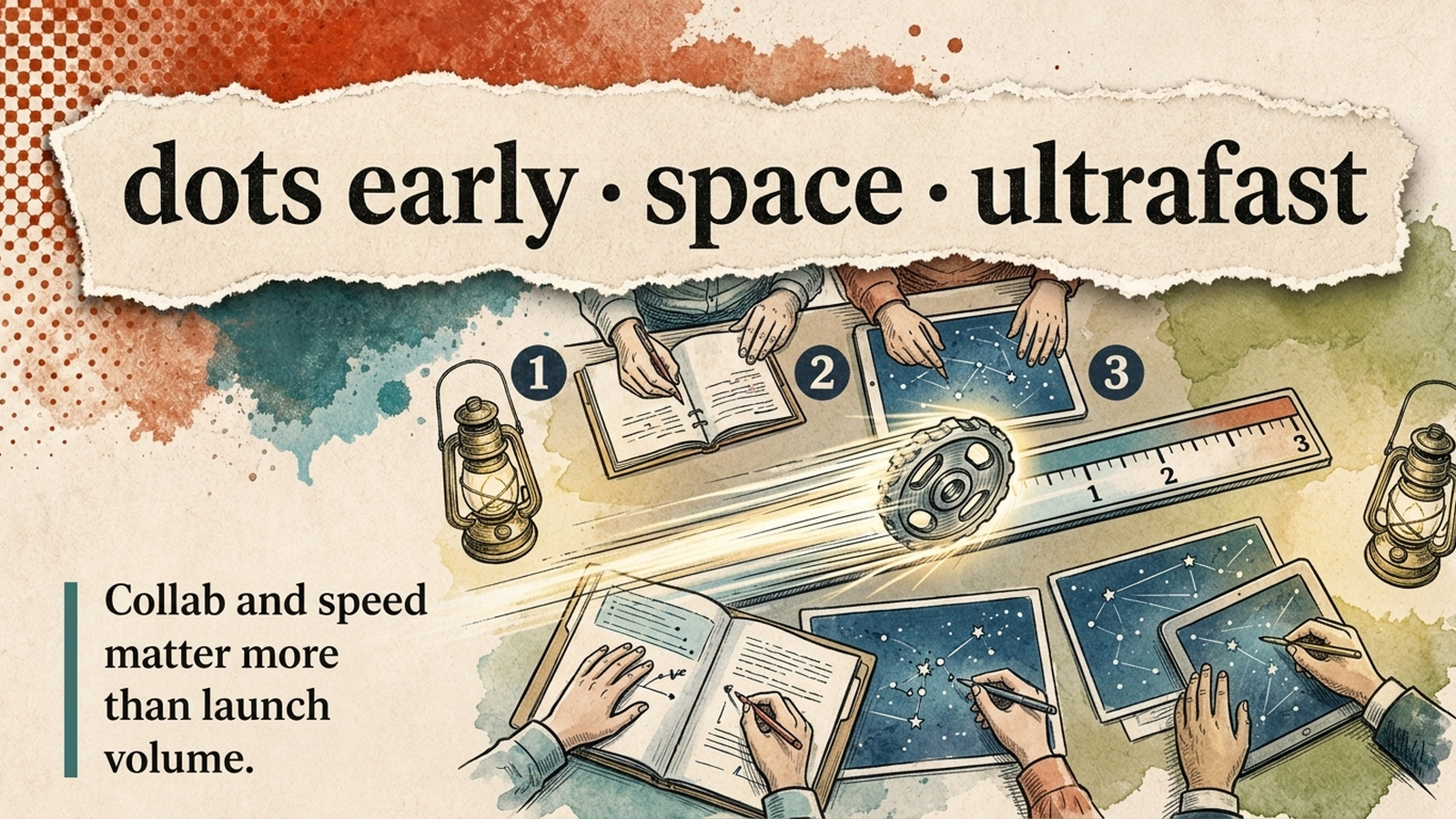
OpenAI's launch framing for that shape is Dots: a primary persistent agent first, then specialist team dots for heavy roles. The harness is device-agnostic — attach to many machines, show up in a meeting, follow up in email, take a text, then get out of the way.
Collapse the surface; compete on retention
Today's ChatGPT stack still forces choices: Work vs chat, Codex vs ChatGPT, model pickers, reasoning effort, multi-agent vs ultrafast. Tibo says they are merging Work and chat because people want capability and speed — and longer term, Dots capabilities are meant to land inside ChatGPT so the broad user base does not need a PhD in configuration.
Asked what people are sleeping on at DevDay, he does not say Dots. He says ecosystem: Sign-in with ChatGPT across partners, plugins into ChatGPT distribution, and shared economics so popular plugins get revenue when subscribers spend usage inside them. Discovery is retention-weighted — keep users and extend what ChatGPT can do, or stop getting recommended.
For builders shipping into someone else's assistant, that is the operating rule: quality and stickiness beat keyword theater.
Keep humans for taste — and hold the safety line
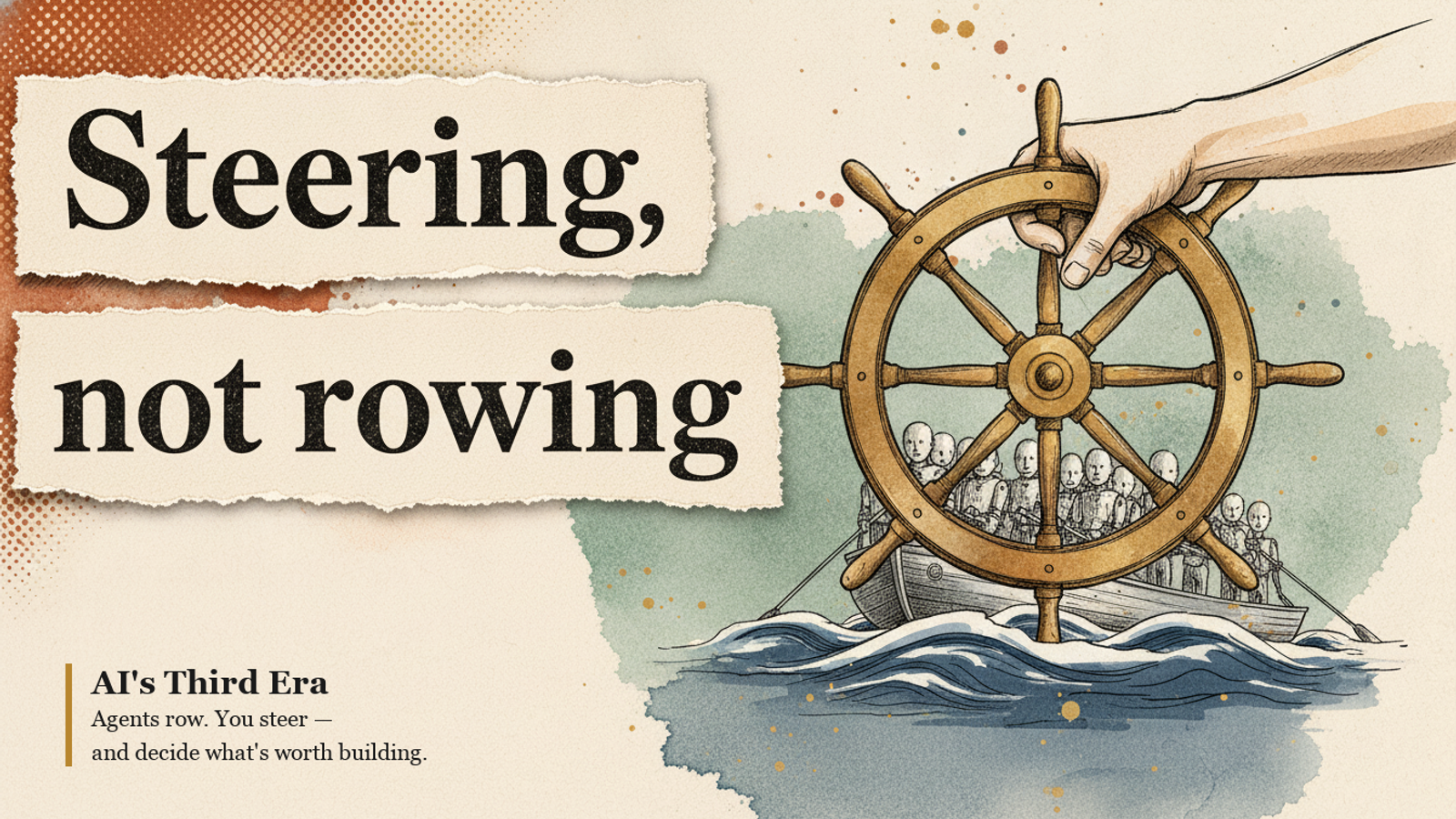
On where brains stay valuable, Tibo's answer is design philosophy: build AI as an extension of will and taste. "We may not have coders anymore, but we have more builders than ever." He is talking to Lenny, not to a Dot — and he expects that preference to last. The downside already showing up in engineering is configuration fatigue and the loneliness of an all-agent day; the promised fix is quieter ambient UX so people collaborate with people while agents work in the background.
On risk, he defines pacing the frontier as investing ahead — alignment, security, secondary monitoring that watches the primary agent. OpenAI held the next capability step beyond Astra; contemporaneous reporting confirmed GPT-6.1 Astra was scrapped over alignment and deception concerns. He ties caution to incentives: you do not gamble with a product that reaches on the order of 1.2 billion weekly ChatGPT users (OpenAI's DevDay figure).
- Design APIs and MCPs for agent-scale load and agent economics.
- Prefer learning agents over hand-authored loops.
- Kill configuration before you add another model toggle.
- Compete on retention if you ship into someone else's assistant.
- Protect human taste and human-to-human collaboration as product requirements.