TL;DR
The short version
Peter Sellis — Snap’s first PM and later Discord’s head of product — argues great consumer orgs run on shared ideology plus clear decision rights, that the median PM is structurally weak, and that Snap’s ads ceiling is mostly format and audience math.
On Lenny’s Podcast (20 Sep 2026), Sellis (between roles, no PR) covers team design, riding winners hard, museum-curator taste, “long-term greedy” ads, and why growth usually lives in the banana stand — the core users you already have.
Built on Peter Sellis’s conversation with Lenny Rachitsky on Lenny’s Podcast (20 Sep 2026).
Ideology beats over-collaboration
Sellis designs teams around two things he provocatively likens to a “terrorist organization”: a shared ideology everyone can recite, and a clear map of who is trusted with which decision. Collaboration has a hidden tax — coordination costs pull the system to the speed of the slowest node. At high-growth companies still founder-led, PMs should be making calls the founders would have made months ago.
A good terrorist organization essentially has two things. One is it has this ideological culture that everyone understands why they are doing what they're doing. And then it has a very very clear organizational structure of who can be trusted with which decision.
Peter Sellis
That is why he spent years turning founder vision into short phrases. At Snap: the fastest way to share a moment with the people you care about. At Discord: the best way to talk and hang out with friends before, during, and after playing games. Those lines dual-coded mission and metrics so the whole org could onboard into the same story.
The median PM problem
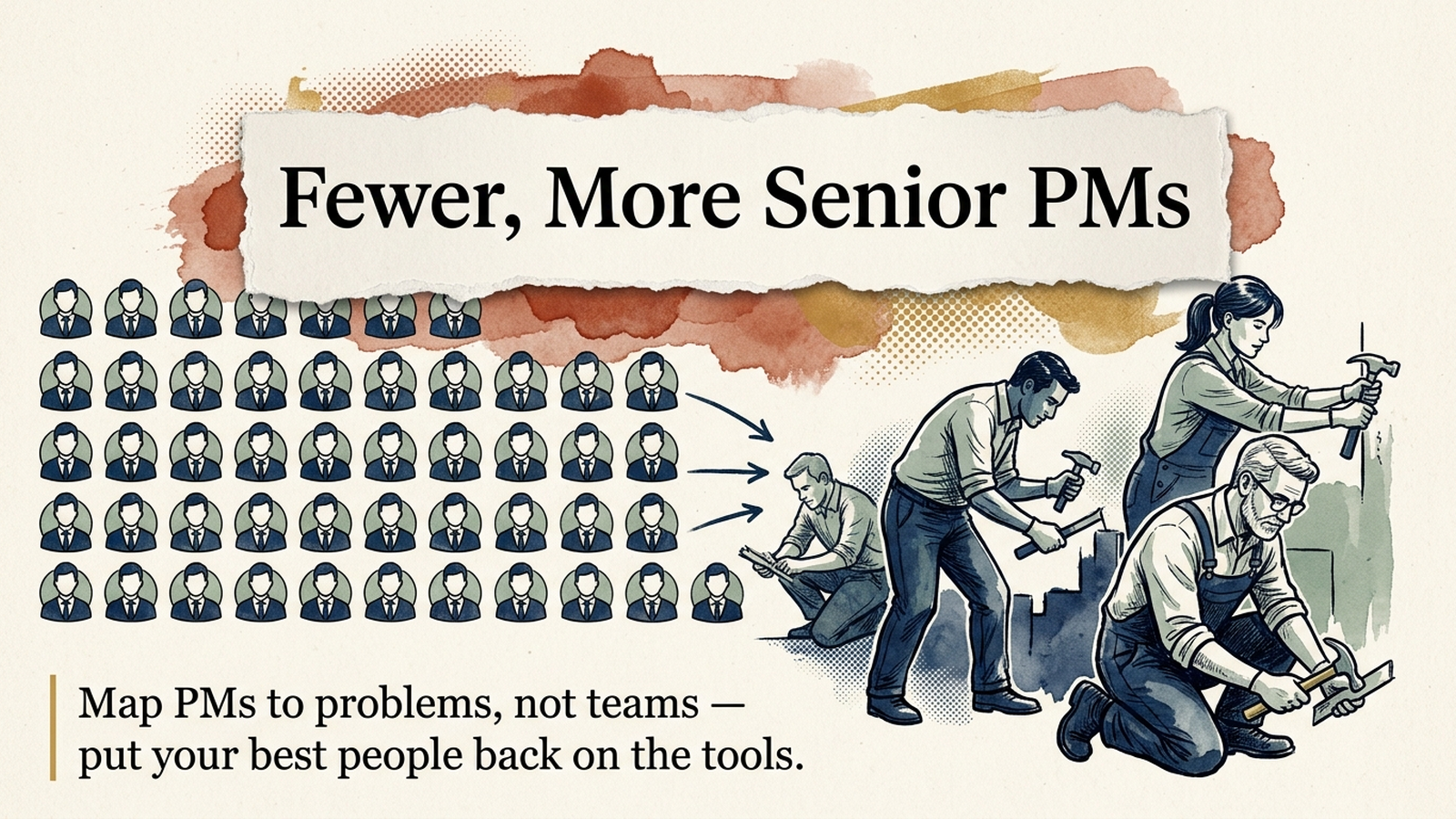
Sellis’s blunt line matches a take that has moved from contrarian to common: most product managers are bad, and many are net-negative. His explanation is structural. Once you select the right tail of product skill, the distribution becomes a power law — the median sits well below the mean. Great PMs exit into founder and executive seats. During ZIRP, PM became the most lucrative non-technical tech job with a fuzzy definition, so weaker people fought hard to stay.
His Snap hiring bar: assume the product should run with no PM. A hire has to beat nobody. Spiky talent (he managed Nikita Bier after an acquisition) is a feature if the org can absorb it. Management bias: ride the winners until they break — load strong people with more decisions; publicly defend them; admit he is weak at coaching the middle.
Why Snap’s ads ceiling is math
Lenny frames Snap as successful but not “the next Facebook.” Sellis’s three ads constraints are more precise than “teens don’t monetize.”
First, the audience is young — a step-change in advertising CPMs around 17/18 and 18/21 under privacy rules that protect teenagers; hard to measure means hard to build performance products. Second, Snap opens to the camera: creation-first, not feed-first, so the core snap-and-send loop has no natural ad slot. Third, it is a messaging utility — awkward for ads; subscriptions (Snapchat+, Discord Nitro) work but compound slowly after daily habit forms.
Growth lives in the banana stand
Sellis’s counter to endless expansion bets: growth usually comes from the core. After the 2018 redesign flattened Snap’s DAU, the renaissance was performance — especially Android — for people already in the app. At Discord in 2024, outsiders hyped Midjourney-on-Discord; Sellis says you would not pick that spike out of DAU. The team focused on intentional multiplayer gaming with friends and moved people from occasional to near-daily use. Lenny’s shorthand: there is always money in the banana stand.
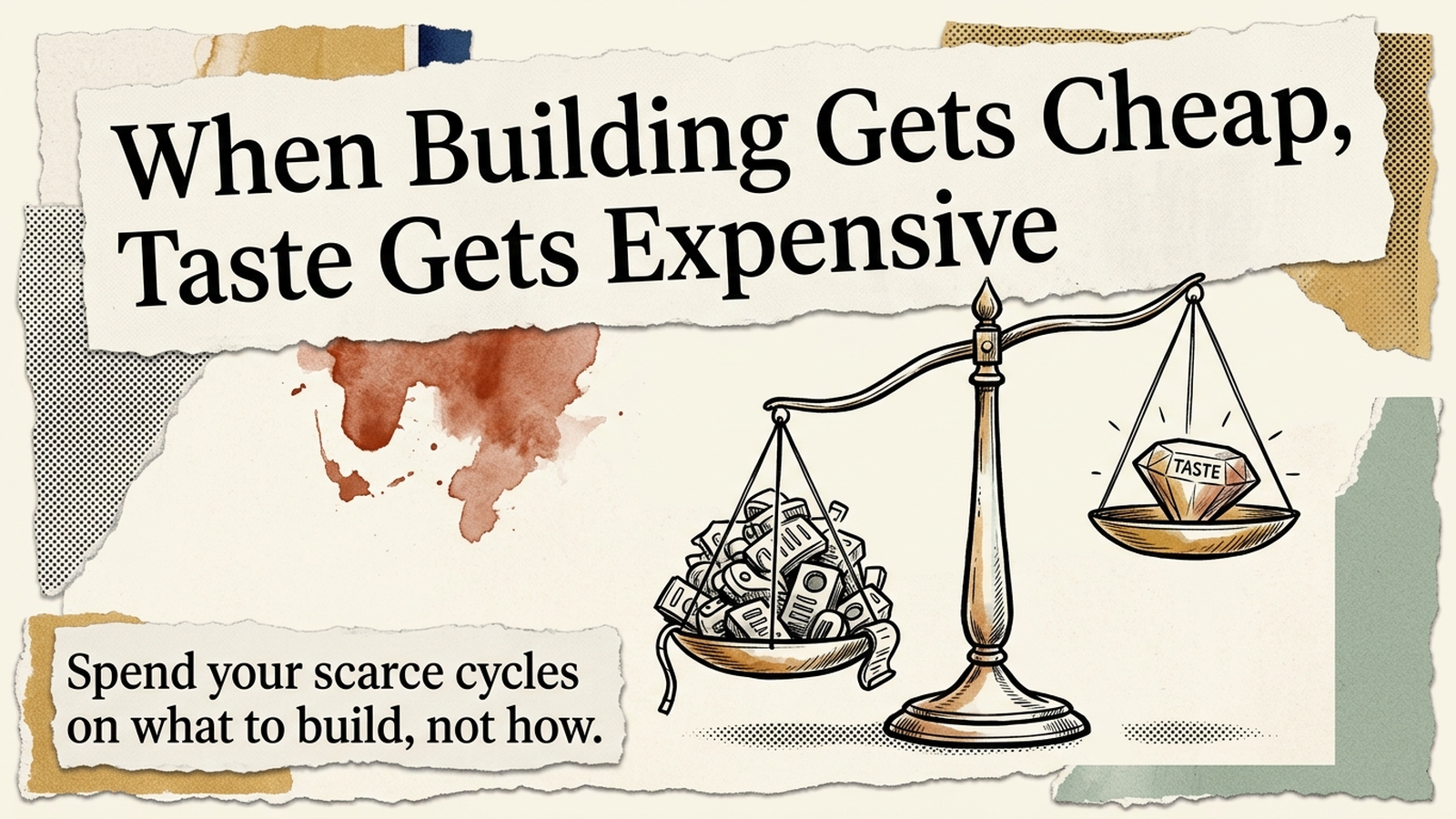
If a museum has all of their collection on the walls then the curator hasn't done anything.
Peter Sellis
Taste shows up as restraint. Sellis watched Evan Spiegel say no to ideas better than most startups ever ship. AI makes that skill scarcer: models add; they rarely cut. Ads Sellism: be long-term greedy — deliver advertiser ROI today even when it costs near-term revenue, because tomorrow’s budgets follow trust.