TL;DR
The short version
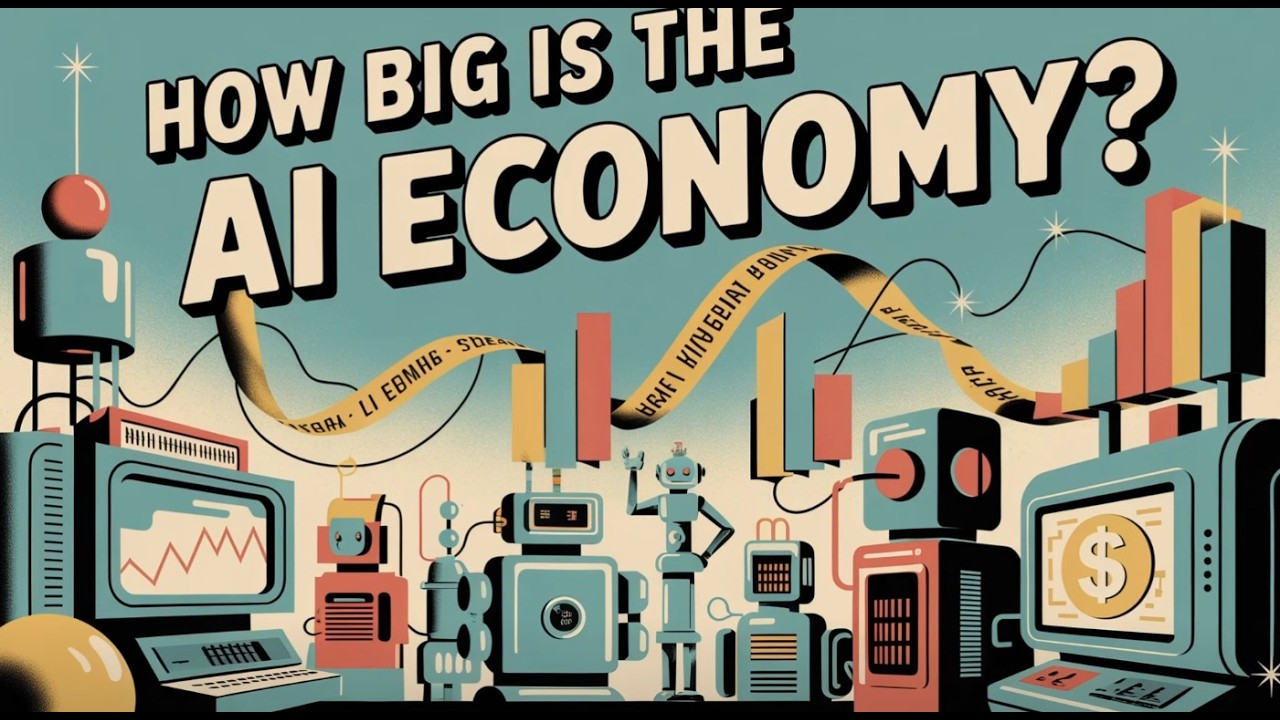
The AI economy now sits at a $175 billion annualized run rate, having booked about $110 billion over the past year — growing roughly three times faster than any prior IT wave.
Exponential View's inaugural State of the AI Economy report aggregates spend across 1,000+ companies and finds that, starting Q1 2026, quarterly AI revenue began exceeding the depreciation on all that infrastructure. The buildout is paying its own way — for now — even as cheap, subsidized AI gets more expensive to supply.
Built on Nathaniel Whittemore's AI Daily Brief walkthrough of Exponential View's report. Statistics independently verified where possible.
The bubble question, answered with revenue
For three years the question hanging over AI has been whether it's a bubble. Not whether it's useful — almost nobody disputes that anymore — but whether the money makes sense. A technology can be genuinely useful and still produce a financial bubble. The two have nothing to do with each other.
So it helps to stop arguing and look at the numbers. Exponential View just published its inaugural State of the AI Economy report, built by aggregating spend across more than 1,000 companies. The method matters: audited accounts count for more than executive quotes, and spend is deduplicated so a dollar moving through an app, a model provider, and an inference host is counted once, not three times.
The headline: AI banked roughly $110 billion over the past 12 months and now sits at a $175 billion annualized run rate. Back in 2023, the industry needed 180 days to add a billion dollars of cumulative revenue. It now adds a billion in under two days.
Demand is real, big, and fast.
Exponential View, State of the AI Economy
That's the part the bubble debate keeps underweighting. This isn't projected demand or signed letters of intent. It's realized revenue.
The buildout is paying back — for now
The sharper finding is about the capital expenditure. Starting in Q1 2026, quarterly AI revenue began exceeding CapEx depreciation. Independent coverage puts AI sales outside China at roughly $25 billion for the quarter against about $21 billion in data-center and chip depreciation. The ongoing bill is covered. The cumulative bill is not, yet.
One old bubble argument was that GPUs go obsolete almost immediately, leaving no time to earn a return. The data pushes back: older GPUs keep earning yields into years seven, eight, and nine — well past the six-year depreciation assumption.
Exponential View, State of the AI Economy (2026)
And it's still early. There's a lot of runway between where AI revenue sits today and where the broader IT sector already is.
Cheaper tokens, vastly more of them
The counterintuitive engine underneath all this: unit prices are collapsing while total spend climbs. The blended price per million tokens fell from about $17 to $2 between mid-2024 and mid-2026, even as model capability rose. Falling prices don't shrink the market — they make previously uneconomical uses viable, which pulls volume up.
Volume is exploding on its own, too. An agentic coding task can burn around 1,200 times the tokens of a simple chat, and global token consumption now tops 30 quadrillion per month.
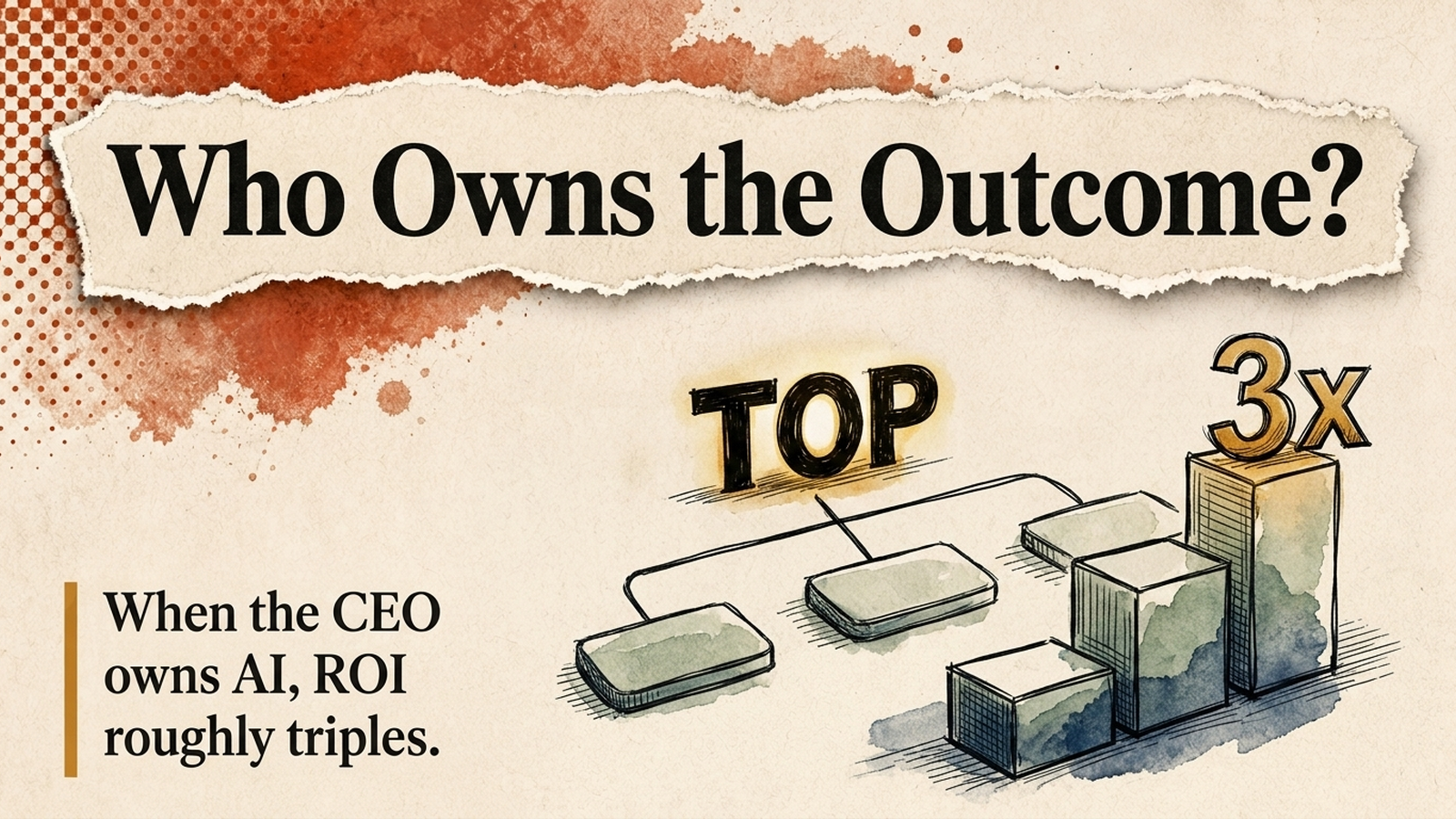
The most striking business signal is the adoption gap. Companies in the top quartile of AI spend grew revenue more than 100% over three years. Companies with no AI spend grew 15–20%, roughly in line with nominal GDP — a 92-point differential between the heavy adopters and everyone else.
The subsidy era is ending
The optimistic read comes with a hard edge. Cheap AI is getting more expensive to supply. Amazon's wholesale Claude rate is converting to standard token-based pricing next year. AWS raised GPU capacity-block prices about 20%. A memory shortage — "RAMageddon" — pushed Micron to a record 84.9% gross margin on roughly 60% DRAM price hikes, and even Apple and Microsoft have raised hardware prices to absorb the cost.
None of this means the market can't overshoot. Bubbles are made of useful things. But the payback data is more positive than the average take, which is worth sitting with. As OpenAI's Roon once put it: "Not enough people are emotionally prepared for if it's not a bubble."