TL;DR
The short version
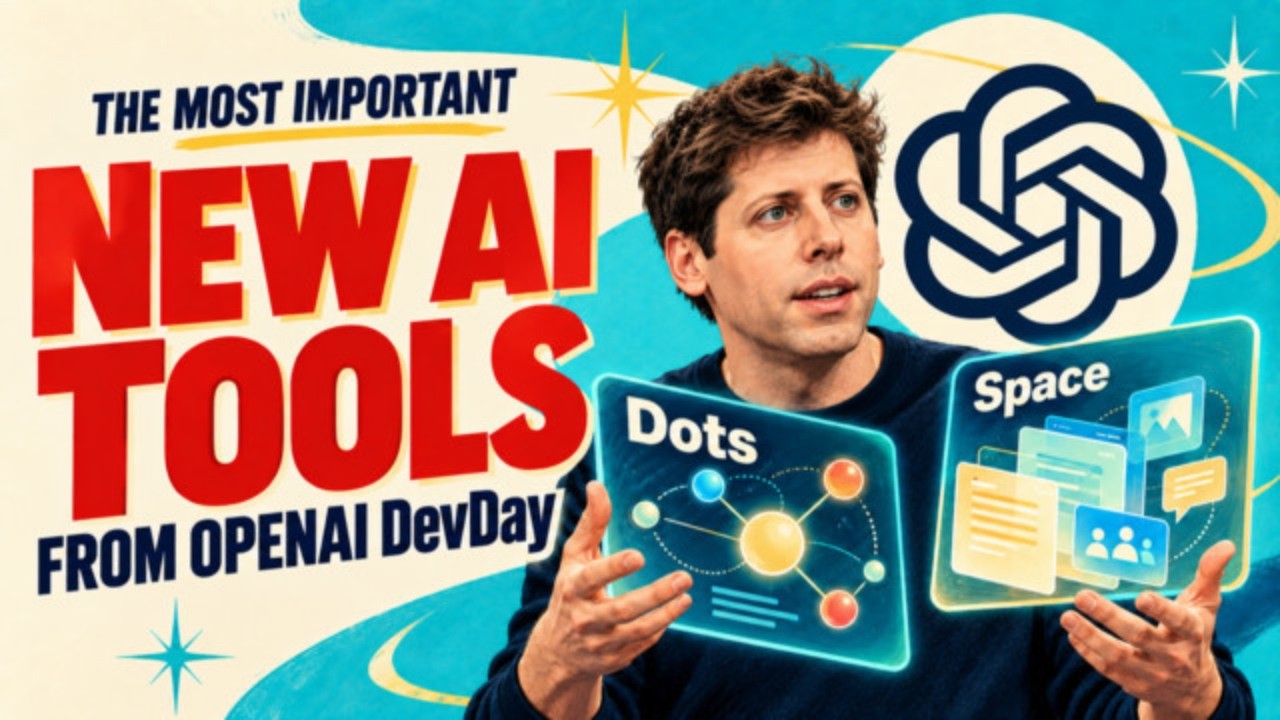
OpenAI's DevDay dump — Dots, Space, Decisions API, Sol 6.1, Ultrafast — does not invent a new industry story. It confirms three trends already underway: cheap-enough models that stay on, persistent agents, and multiplayer AI-native work.
Drawn from Nathaniel Whittemore's AI Daily Brief DevDay recap (Sep 30, 2026), with launch facts cross-checked against RuntimeWire and OpenAI pricing.
Source: The AI Daily Brief — The Biggest AI Announcements from OpenAI Dev Day
Form factor is converging. Utility is not.
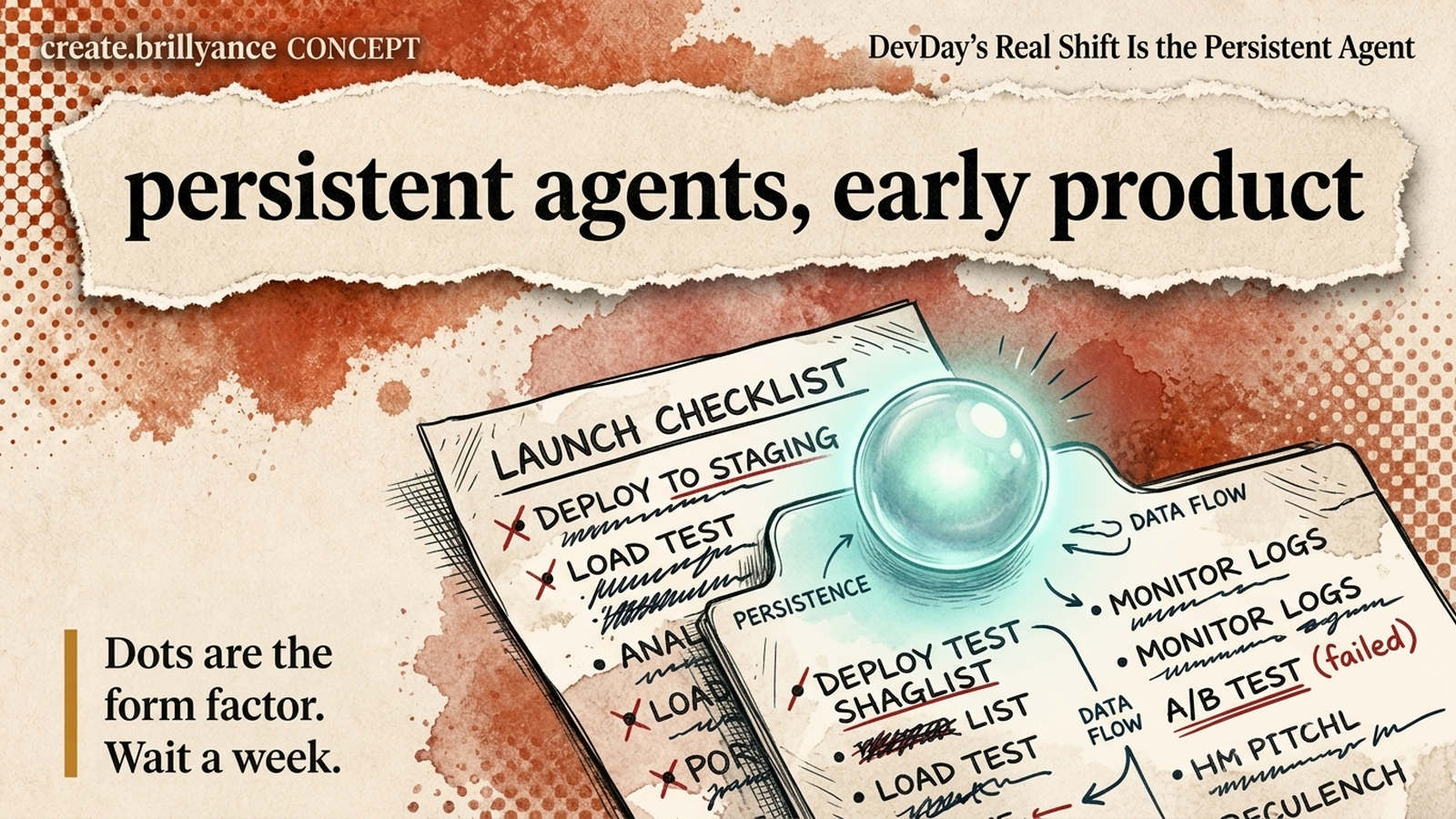
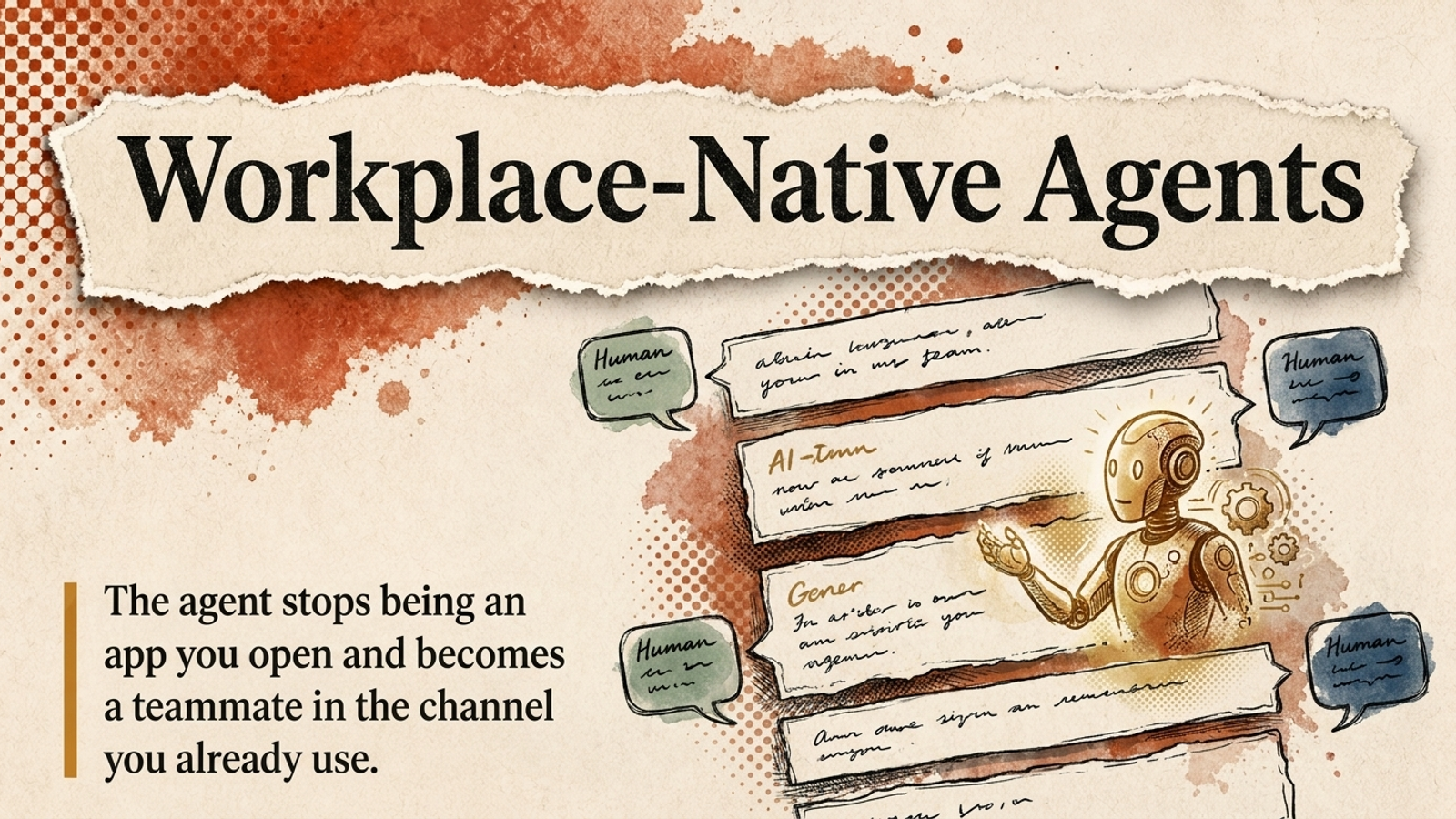
Dots are OpenAI's Muse/Grokbot answer: an always-on Astra agent with its own cloud computer, Slack/Teams/voice, and persistent context. At launch you get one Dot, and only on Pro, Business, or Enterprise — Muse still owns the free funnel.
Early hands-on is split between excellent expense workflows and lost work. Nate B Jones's frame travels: form factor converges; utility does not. Muse is good at calls and practical email. Instinct is good at travel. Dots are good at AI context as a work surface. The open question is whether OpenAI picked the right utility to get right.
Space may matter more than Dots on day one
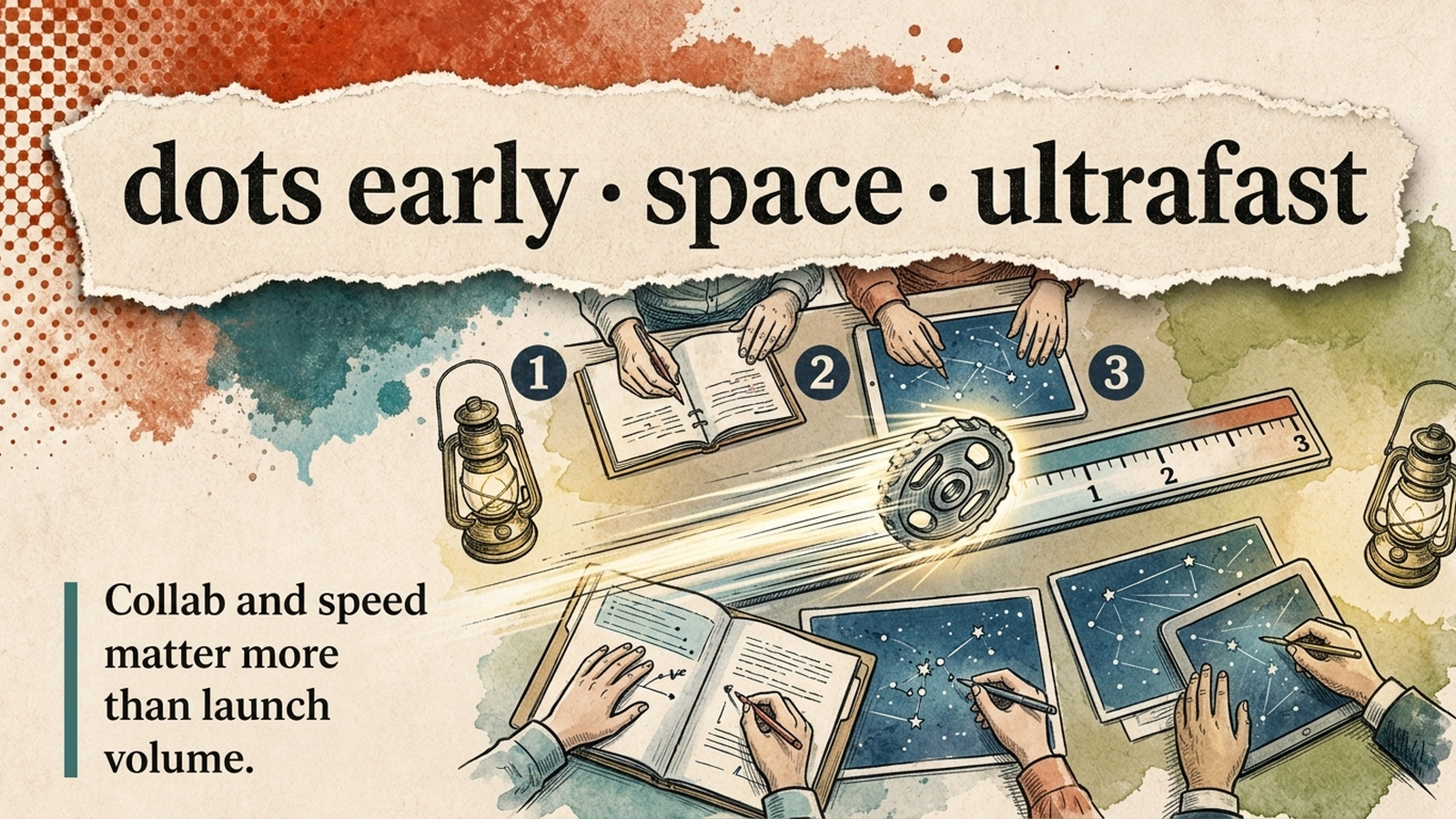
Dot's slightly overhyped and Space underhyped. Every company I know wants an AI-native collaboration workspace.
Space is the shared workspace where humans and agents edit docs and slides without routing every edit through a browser puppet of Google Docs. Dan Shipper's operational cut: when a Dot builds a Doc through the browser, edits crawl; native documents don't have that lag. You tag the Dot in the document itself.
That is the multiplayer half of the pattern. Solo chat was never going to be the end state for team work.
Judgment models and cheap Sol make persistence real
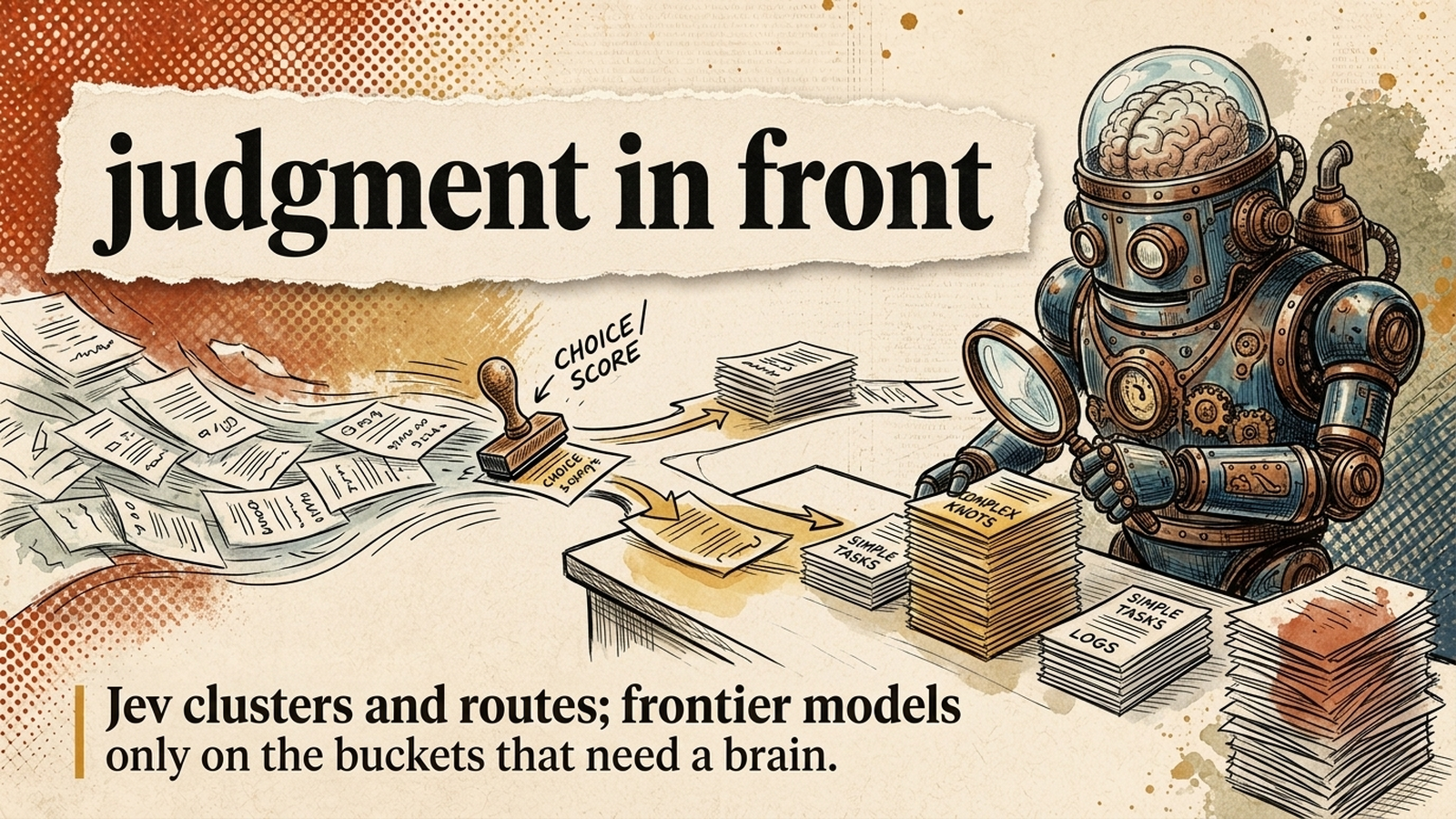
The Decisions API is OpenAI's Jev-class move: Luna constrained to predefined answers for classification, routing, or an agent's next action — with vision. Treat judgment models as infrastructure beside generative ones, not a novelty feature.
GPT-6.1 Sol makes always-on economically obvious — near-Astra coding and computer-use at about a fifth of Astra's token price. Artificial Analysis scores it 52 vs Astra's 53. Watch the caveat: max effort sometimes hurts via overthinking, and reporting that 6.1 Astra was delayed over safety trade-offs suggests the flagship is bumping into release constraints while the cheap tier races ahead.
What to copy
Watch the three-trend stack — cheap-enough models, persistent agents, multiplayer workspaces — not any single mascot product. Separate form factor from utility when evaluating agents. Put judgment models on the architecture board. Prefer AI-native surfaces for agent edits. Budget for speed tiers; compute scarcity is structural.
Plugin extensions, Sign in with ChatGPT (~16 launch partners), and the enterprise Marketplace (spend portability to partners and open-weight inference) are the distribution half. Ultrafast (up to 8× Codex / 6× API) gated to Pro 500 and Enterprise is the scarcity half. Efficiency is the release valve.