TL;DR
The short version
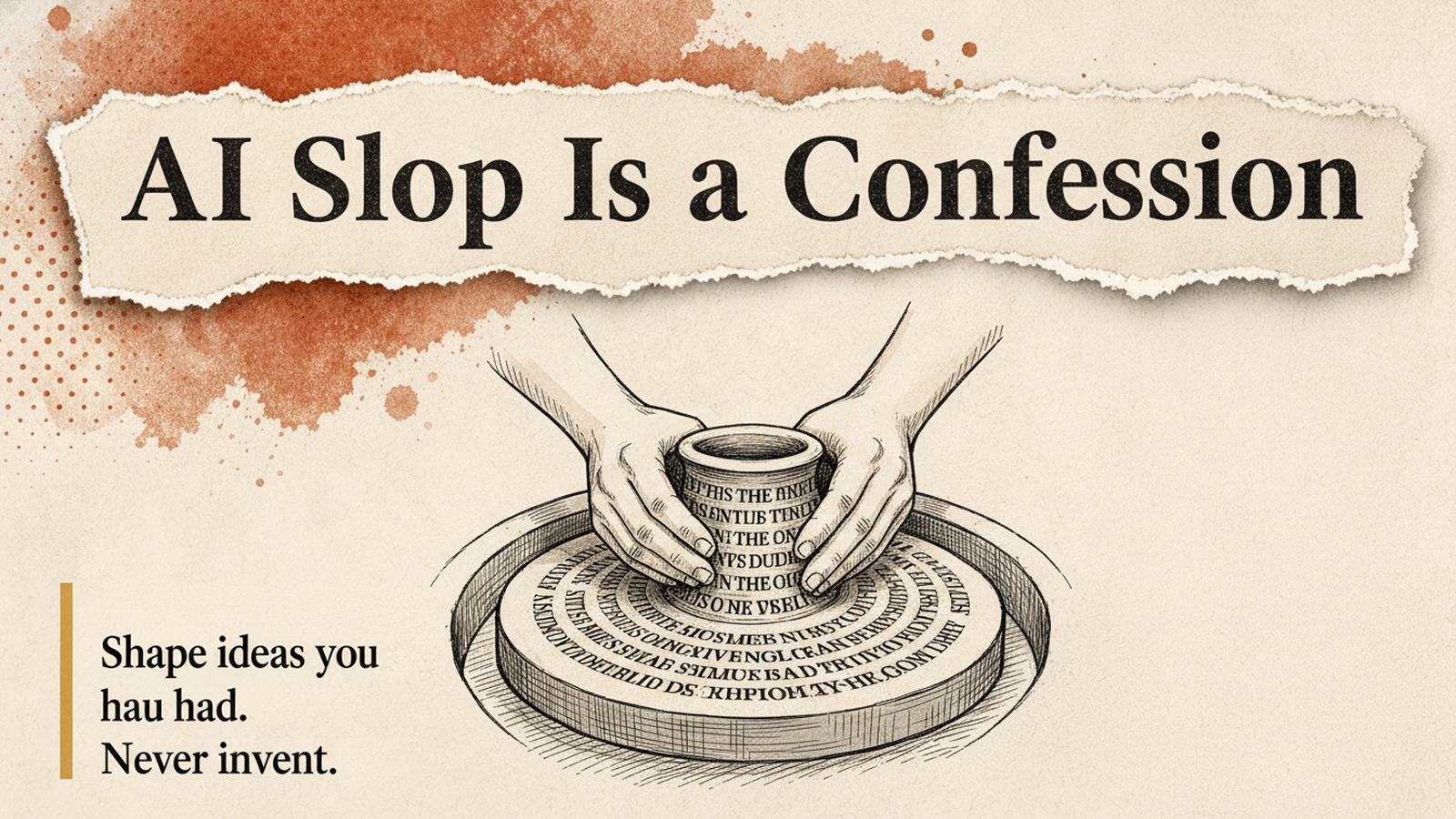
Creator Brooke Lacey has Claude Code cut her TikToks from one raw phone take in about 15 seconds, using tools already on her laptop and a plain-text cut list. It works because she wrote down a craft she already had. "Make a funny video" does not.
On How I AI, Brooke Lacey shows Claire Vo the whole chain: silence detection and Whisper word timings to place each jump cut, face tracking for the crop, a TSV file that holds the entire edit, and a back catalogue of her own videos and comments that teaches Claude her cadence and feeds her next scripts.
Built on Claire Vo's interview with Brooke Lacey (19 October 2026). Run times and cut counts are the tool's own on-screen summary from one demo; follower count checked against her TikTok profile.
Boring tools, no editor
Brooke Lacey has been making short-form video since 2020 and has close to 300,000 TikTok followers. Her comedy depends on jump cuts landing on the exact beat. "It's not funny unless you are jumped at the very exact moment," she told Claire Vo on How I AI. "And let me tell you that is tedious." Editors she hired never got it right, so one video could eat hours of her day.
Now she films one long take, AirDrops it to her Mac, and tells Claude Code in the terminal to edit it. Claude runs FFmpeg, Whisper and Python on files that never leave the laptop. There is no timeline, no project file and no editing app. The chain Claude reported for one five-minute take ran in about 15 seconds:
- Silence detection finds where she is talking.
- Whisper word timings sharpen each cut, because neither signal alone can place a cut cleanly. A word's sound ends before you think it does.
- Face tracking on every frame keeps the vertical crop on her, with a wide, mid or close shot per cut.
- App screenshots appear on the empty wall beside her at the moments the cut list says.
- Captions appear one word at a time, each held until the next arrives, and a final check confirms audio and video are in sync.
It also listened. It heard her say "cut that out" in the middle of the take and cut it. When she repeated a line, it kept the version with the best cadence.
The cut list is the product
The whole edit lives in one TSV file. Each row is a start, an end, a shot size and a label. "That file is the whole edit," she says.
Video editors will recognise the idea: an edit decision list, the ordered timecode list that post-production has long used to assemble a final cut. Claude rebuilt it as a spreadsheet-shaped text file, which is exactly the shape an agent can read, write and rerun.
That has a practical payoff. Because the edit is text, the same command renders the 15-, 30- and 60-second versions and the landscape cut from the same tape. One take becomes a set of ads.
Taste goes in first
Vo admitted that her own attempts amounted to "Dear Claude, make a funny video," and they didn't work. Lacey's did because she knew what a good edit was before she asked. "I was able to orchestrate Claude the way that I would actually do it," she says.
She trained the rest from her back catalogue. TikTok blocks scraping, so she downloaded her videos to Google Drive by hand. Claude pairs each video with its comment thread on the logged-in TikTok page, works out what landed, and drafts new ideas and scripts. She also had to point out her hook: the small laugh in "I've been in tech for 25 years and I've never been more scared for people." Once she named the cadence, Claude could find it.
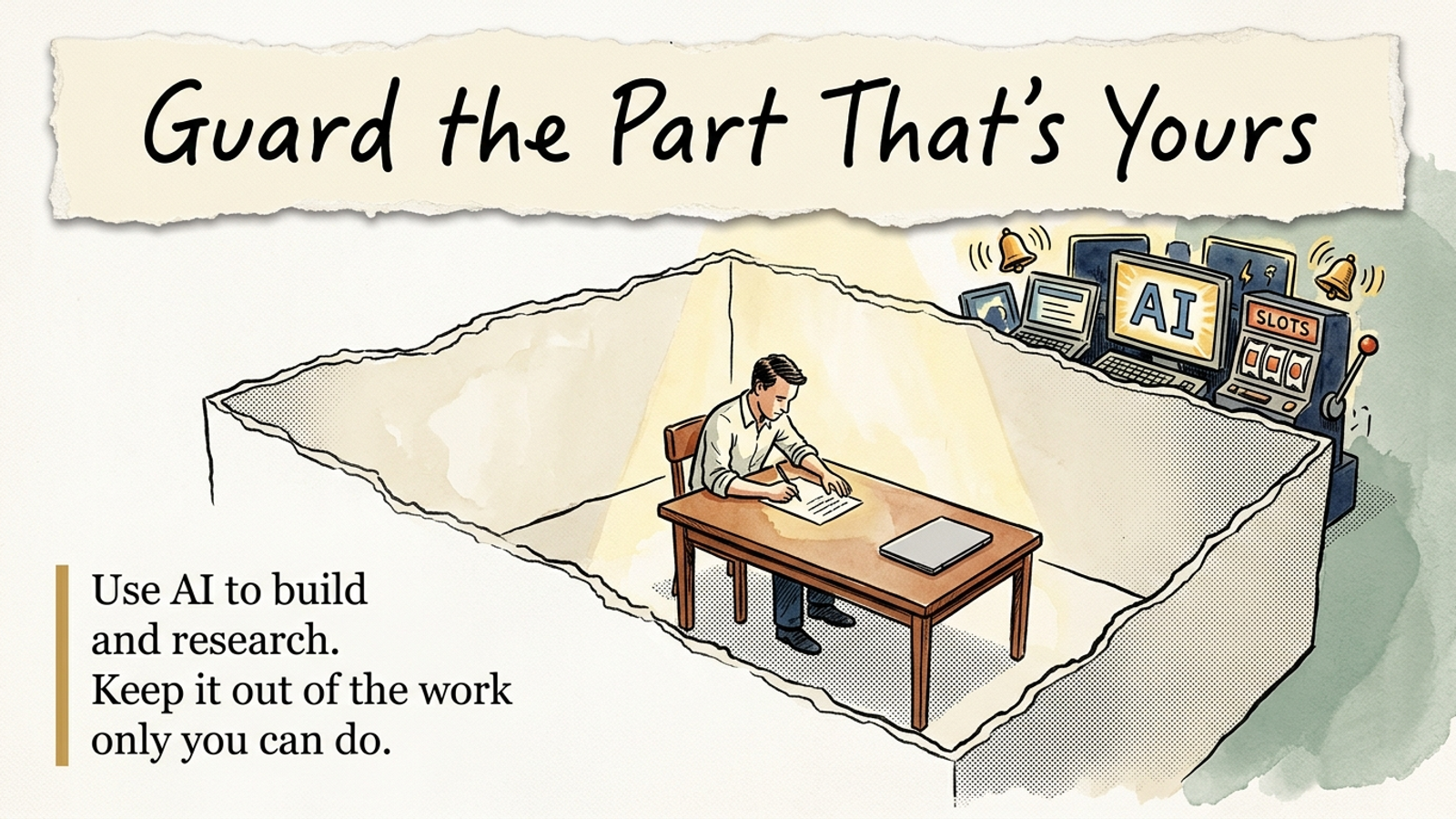
There is a limit. Her two-person "WTF even is" sketches depend on facial reactions and back-and-forth absurdity. She says Claude isn't there yet. The face and the timing are still hers.
Fix the system, not the session
When Claude gets something wrong, she doesn't just correct the output. Her setup is a "lane operating system": status files, project instructions and global instructions for each product she runs. She sends Claude back to the instructions, has it work out why it missed them, and then tells it to report the miss to the "spine" so the fix applies everywhere.
Go back and tell the main operating system spine that you messed up so that it can make the change globally.
Brooke Lacey on How I AI
That is the transferable part for anyone running agents, not only creators. Write the craft down as text, keep the edit in a file you can rerun, and push every correction back into the instructions so you only teach it once.