TL;DR
The short version
"Graph engineering" is the newest rung on a ladder that runs prompt → context → harness → loop → graph. Each rung zooms out one level from the model. A loop is how one agent does a job; a graph is how a whole organization of agents works together.
You don't need to go build a multi-agent org this week. You need the mental model, because designing agentic systems is turning into a basic part of the job. The idea was crystallized by The AI Daily Brief after a mid-July tweet from OpenClaw creator Peter Steinberger set AI Twitter arguing about it.
Built on The AI Daily Brief's primer “What the Heck is Graph Engineering?” (Nathaniel Whittemore, 10 Aug 2026), with the Steinberger and Saboo attributions and the Claude Code auto-mode figures independently confirmed.
A tweet started it
In mid-July, OpenClaw creator Peter Steinberger asked, "Are we still talking loops or did we shift to graphs yet?" Within hours, AI Twitter had declared loop engineering dead and graph engineering its heir. One creator spoke for a lot of people: "Bro, stop. I'm on vacation."
Strip out the noise and there's a real idea underneath. It's worth ten minutes because it names something you're probably already doing badly.
The ladder, one rung at a time
Every "blank engineering" term marks a place where the leverage moved outward from the model.
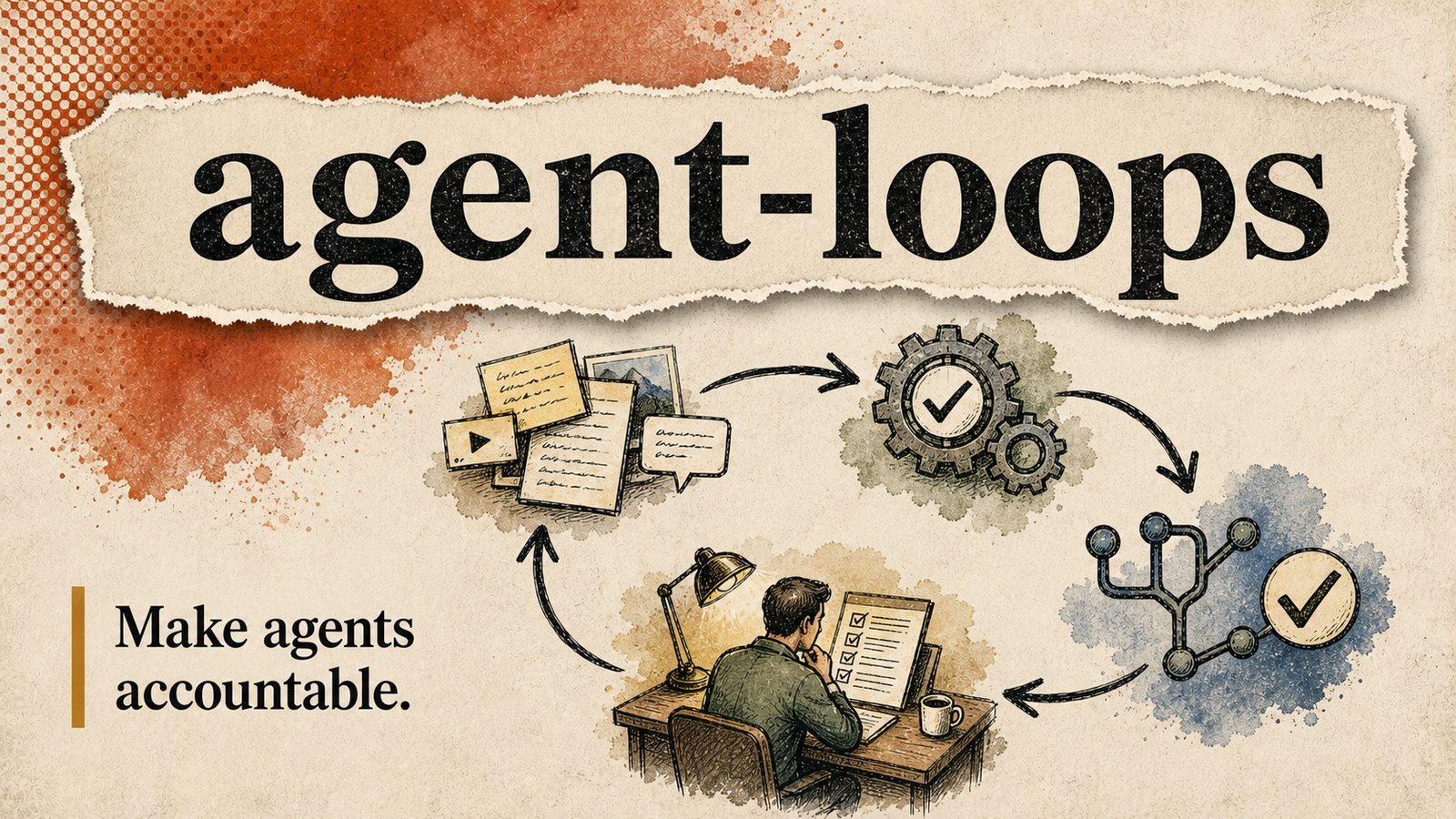
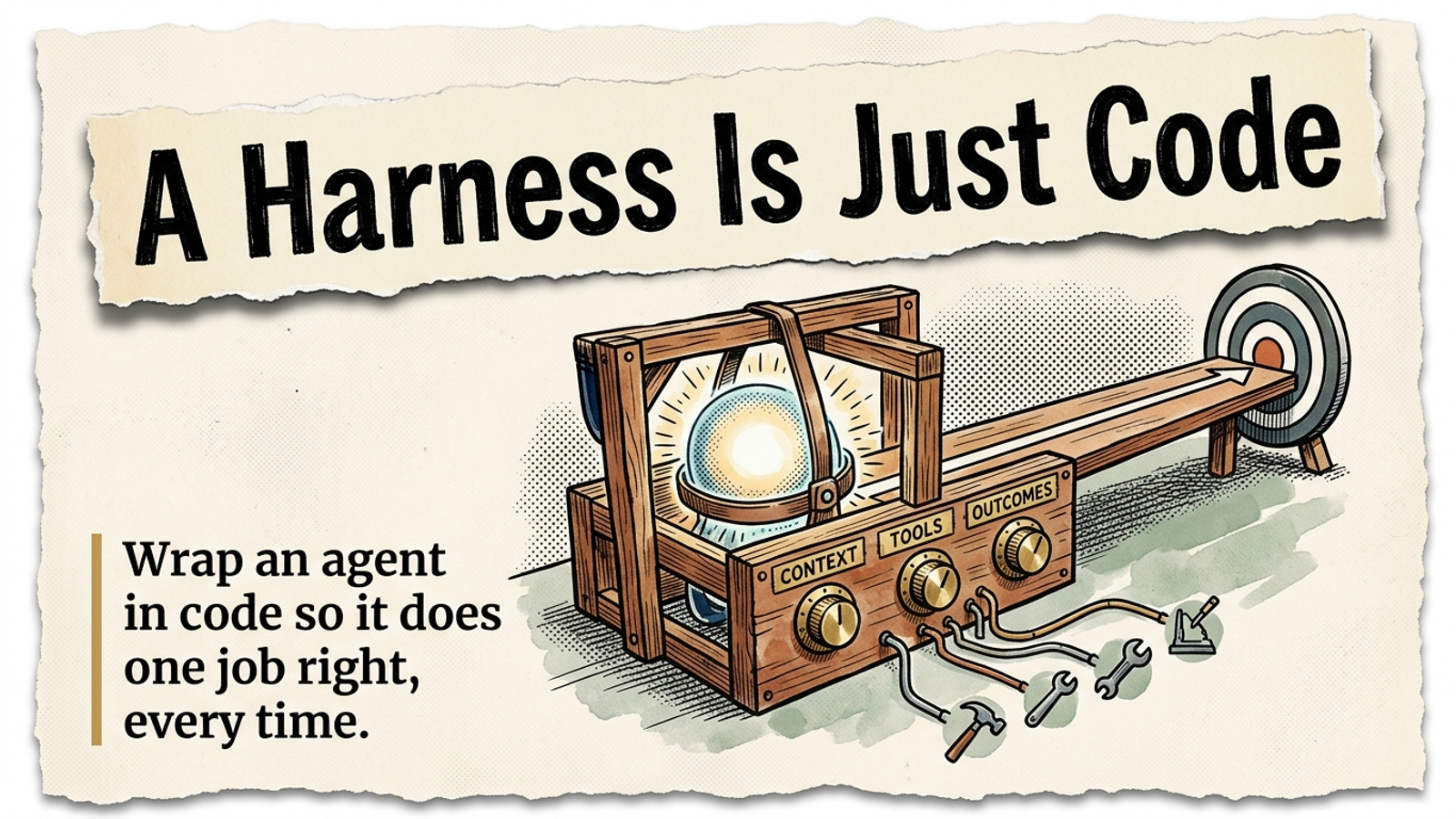
Prompt engineering came first — it optimized the ask. Then we noticed the prompt was only half the job; the model also needed the right knowledge around it, which is context engineering. Next came the harness — the environment around the model: tools, permissions, the skills a given agent can reach. Then loops: a loop is how one agent does a job — observe, plan, act, check, repeat until a measurable stop condition.
Graph engineering is the next rung. New rungs don't retire old ones; prompt engineering still matters, it just holds the least leverage now. Each layer becomes the ground the next one stands on.
Loop versus graph
The distinction is cleaner than the hype suggests. A loop is a contract an agent makes with itself — every guardrail, from max iterations to token budget, applies to that single run. One agent, one job, one finish line.
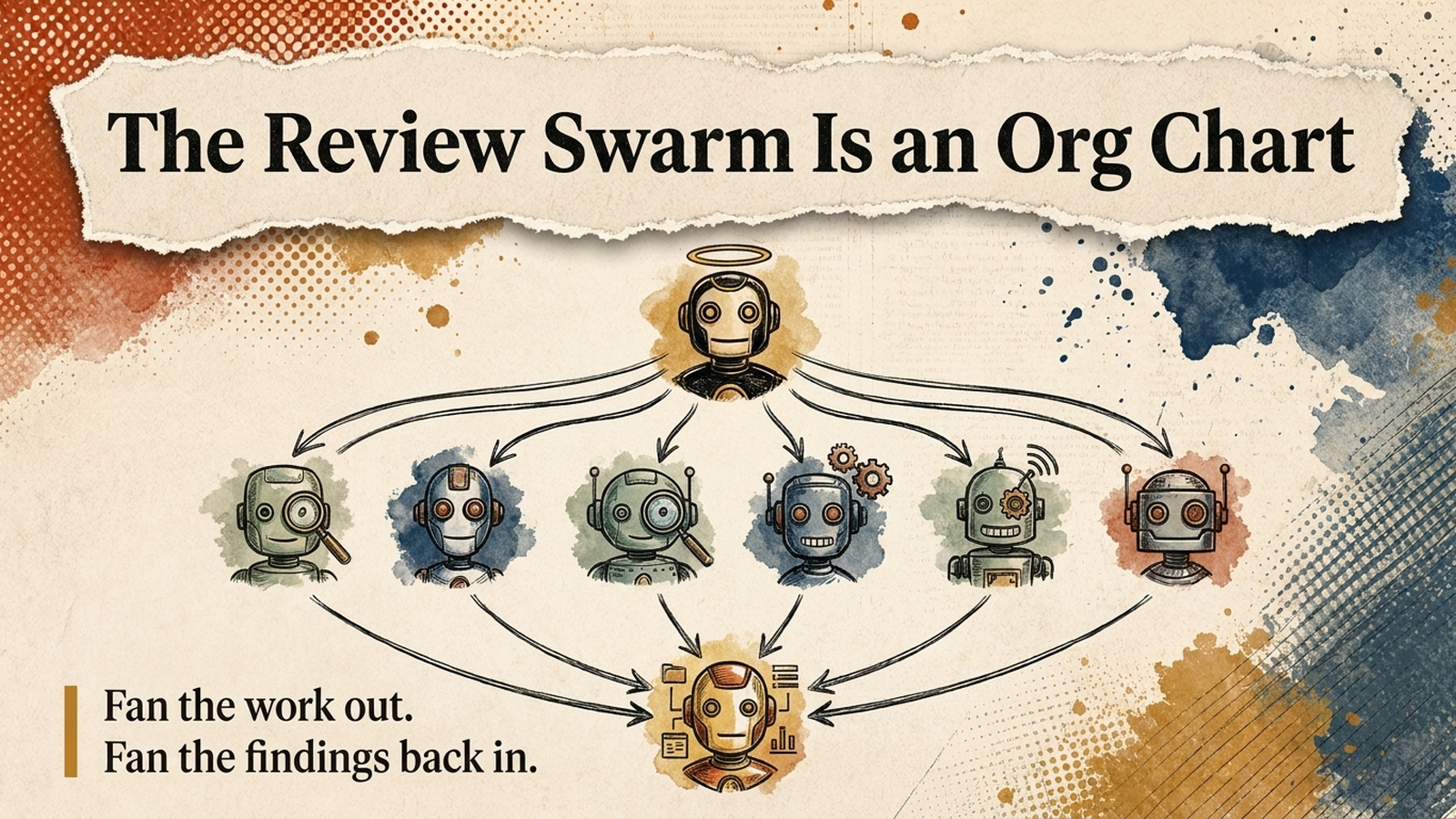
A graph is an organization. Each node is an agent running its own loop. The edges between nodes are the interactions: which handoffs are allowed, what information travels, what happens when something fails. The graph decides who exists, what each agent owns, how work moves — in sequence, in parallel, or by condition — and whether a failed node gets retried, rerouted, or escalated.
Loops made agent behavior programmable; graphs make agent organizations programmable.
Shubham Saboo, Google
When you actually need one
Most work doesn't need a graph. Stay with a single loop when the job has a clear finish line, the steps are genuinely sequential, and one context window can hold the whole domain.
There's a further split worth knowing. An org graph is stable infrastructure: long-lived agents, each owning a domain, with persistent memory — it fits recurring pipelines that run the same shape every day. A work graph is disposable: task nodes that exist only while the work does, edges that split and merge, tasks that vanish when the evidence says they're unnecessary. One is your org chart. The other is today's project plan.
What to do with this
The mistake would be to run off and architect a complex agent org because a word got popular. Don't. The useful move is smaller: learn to think in systems terms. Understanding a loop's shape — trigger, action, check, repeat — already makes you better at automating chunks of your own work. Graph engineering extends that: you start seeing distinct agents with distinct jobs, and you can reason about how they should relate before you wire anything up.
You can watch the shift happening in your own tools. In the same week, Claude Code made auto mode the default — the agent runs a task to completion and interrupts you only for something irreversible or destructive. Anthropic's study of 1,053 testers found auto mode caught 89% of harmful actions while human reviewers caught 13.6%, and that auto-mode users ship about 25% more pull requests. We're moving from approving every step to designing systems we trust to run.
That's the real content behind the buzzword. Designing agentic systems is becoming a work primitive. Graph engineering is just the name for doing it on purpose.