TL;DR
The short version
ChatGPT Sites now lets a shared site use each visitor's own connectors. One URL shows every person their own Slack, Notion or warehouse data, with no API keys involved. That turns a place to park prototypes into a host for personal and team software you can build in an afternoon and throw away next week.
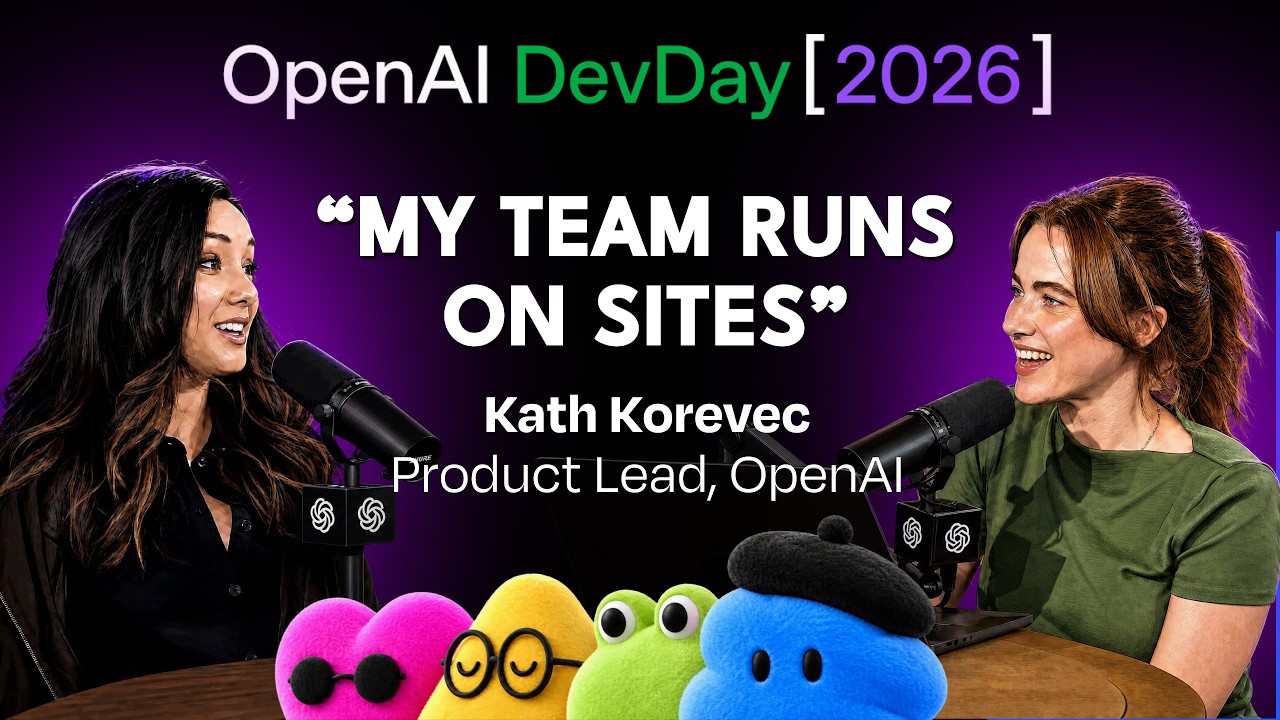
Recorded at OpenAI DevDay, Claire Vo walks through the Sites that Kath Korevec, who leads product for ChatGPT Sites, actually runs: an incident-command dashboard, single-use personal tools, Sites as infrastructure for MCP plugins, and a game that grows through a shared Codex skill.
Based on How I AI, "How the OpenAI team uses ChatGPT Sites daily" (published 5 Oct 2026), with OpenAI's DevDay and Sites documentation.
The shift: visitors bring their own connectors
The DevDay launch is plugins in Sites. When someone opens a site, it asks them to approve their own connections, then shows data scoped to their permissions. OpenAI's notes describe Sites with connected data for workspace-private Sites, where visitors "choose their accounts and consent to access" (ChatGPT Learn).
They'll be looking at the exact same site, but they're going to see content based on what their team is.
Kath Korevec, How I AI
That is a real change. When Sites launched as a Codex preview in June, OpenAI's own guide said sites "cannot connect directly to live data today" (OpenAI Academy). Kath says it matters most for teams with role-sensitive data, like finance or anyone on a data warehouse, because the visitor's permissions set the scope. Her prompt shortcut is "bring your own connector," and Codex wires it up.
A dashboard that keeps the manager out of the way
Kath's best demo is an incident-command site for her own team. It reads her Slack channels to infer her team, lays out the incident timeline minute by minute, shows who is responding, and links to the Notion runbooks.
Why she built it is the operator lesson. As a PM she spends her days in meetings and doesn't want to keep asking engineers what's going on: "I want them to solve it without me getting in their way." The site gives her visibility without making her another interruption.
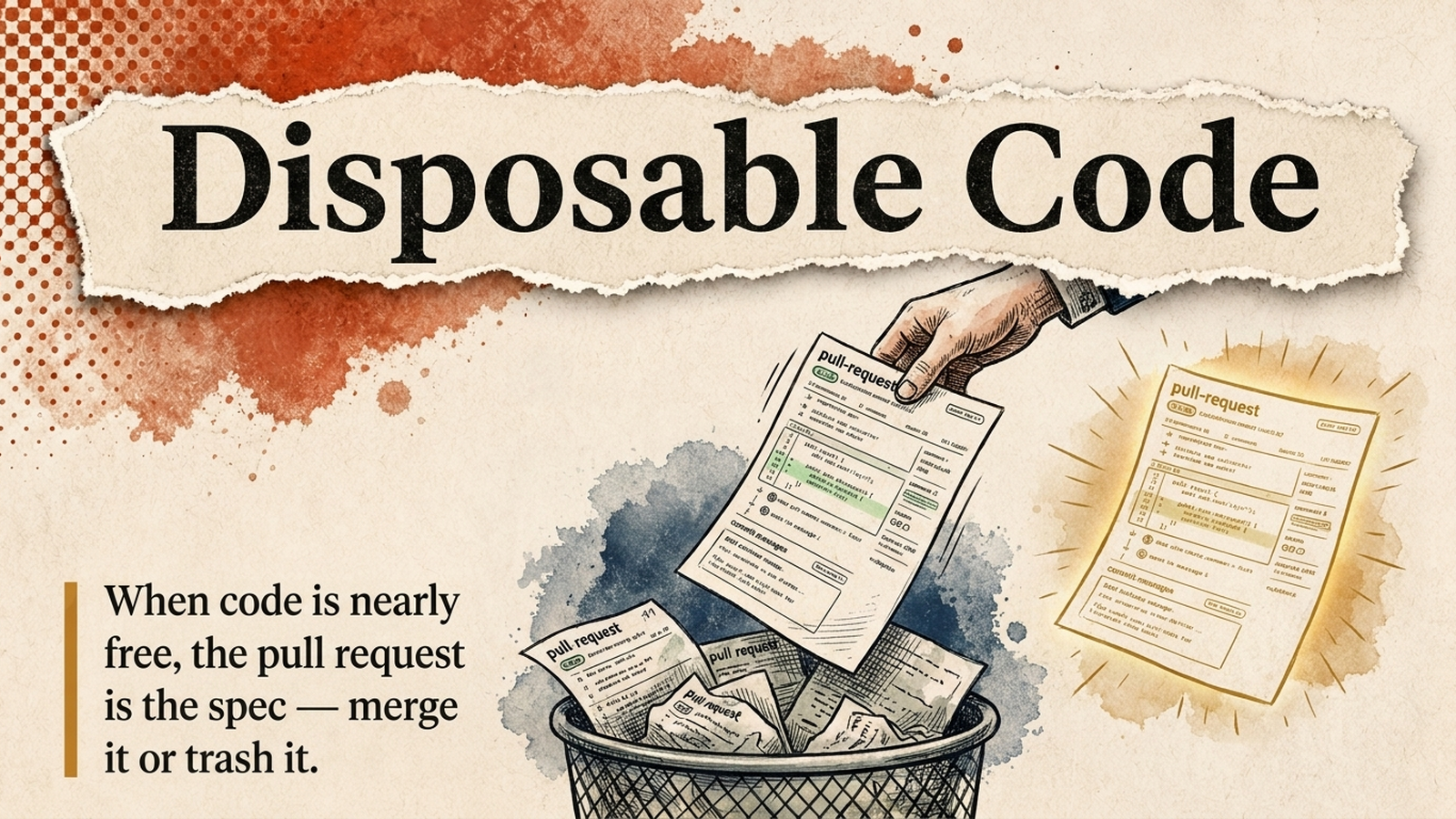
Personal software is allowed to be disposable
Kath builds sites for one person and one week: a different view of her Google Calendar, or a site for a business trip, "and then I'll throw it away at the end of the week." Submissions to the Awesome Sites gallery follow the same instinct, like a Hyderabad bus atlas or a quick rail guide before a trip. Her Monday playlist goes further. An automation uses computer use to read Reddit's top playlists at 8 a.m. every Monday and builds a fresh rotation, fixing a recommendation feed her kids took over.
Sites is quietly becoming infrastructure
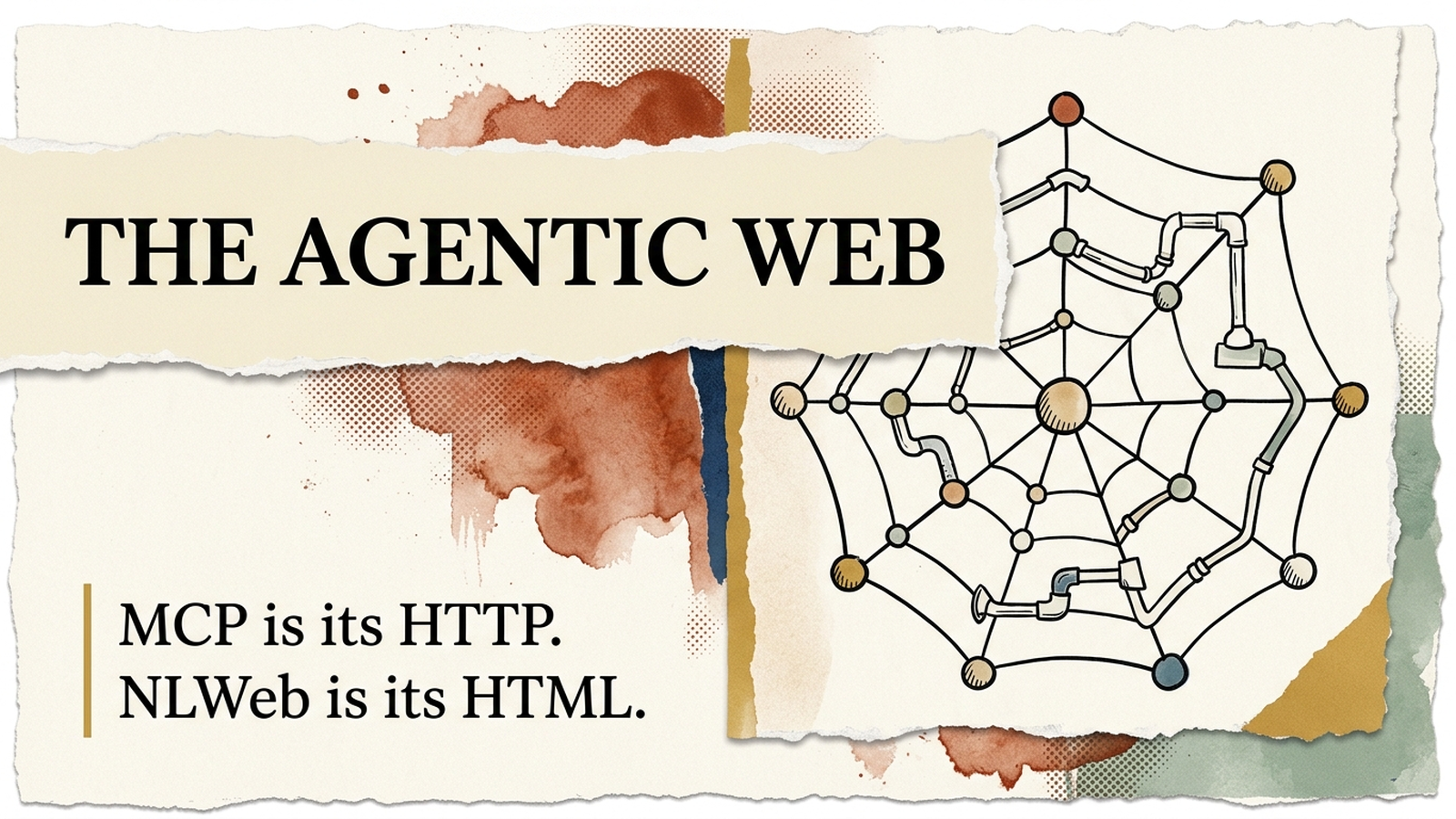
Sites started as last-mile deploy for things Codex built locally. People then began using it to host data, run evals and build plugins. At DevDay, OpenAI added hosting for MCP plugins through Sites, so one site can serve the plugins other sites use (OpenAI Help).
Kath's community dungeon crawler adds one more pattern. It grows through a Codex skill that encodes the room spec, not through a level editor, so anyone's agent can build a compatible room. Claire points out that distributing a skill so agents can build into your app is a new user experience. For now it is one demo, not a proven pattern.
The limits: cost, flow and your voice
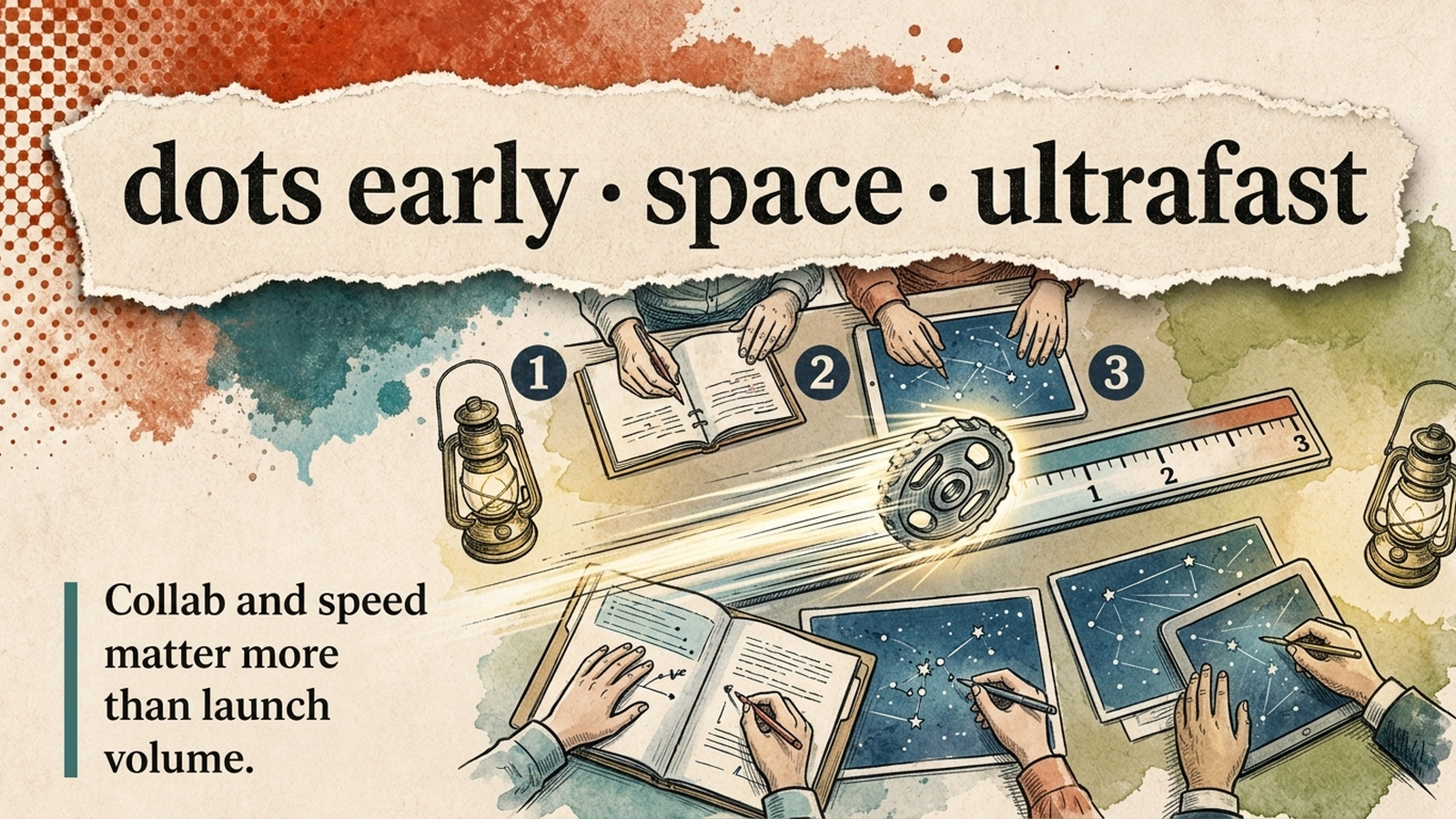
Speed changes what people try. Claire's kids redesigned her game live using Astra Ultrafast, which OpenAI says is up to eight times faster in Codex (OpenAI). It also cost real money: "eight times as fast, but as Sam said, six times as expensive." Both agree that waiting on a slow thread kills creative flow.
Kath also draws a firm line on autonomy. She uses Codex for research and drafting, but if it starts emailing or messaging people for her, that crosses the line: "I don't like it writing for me."
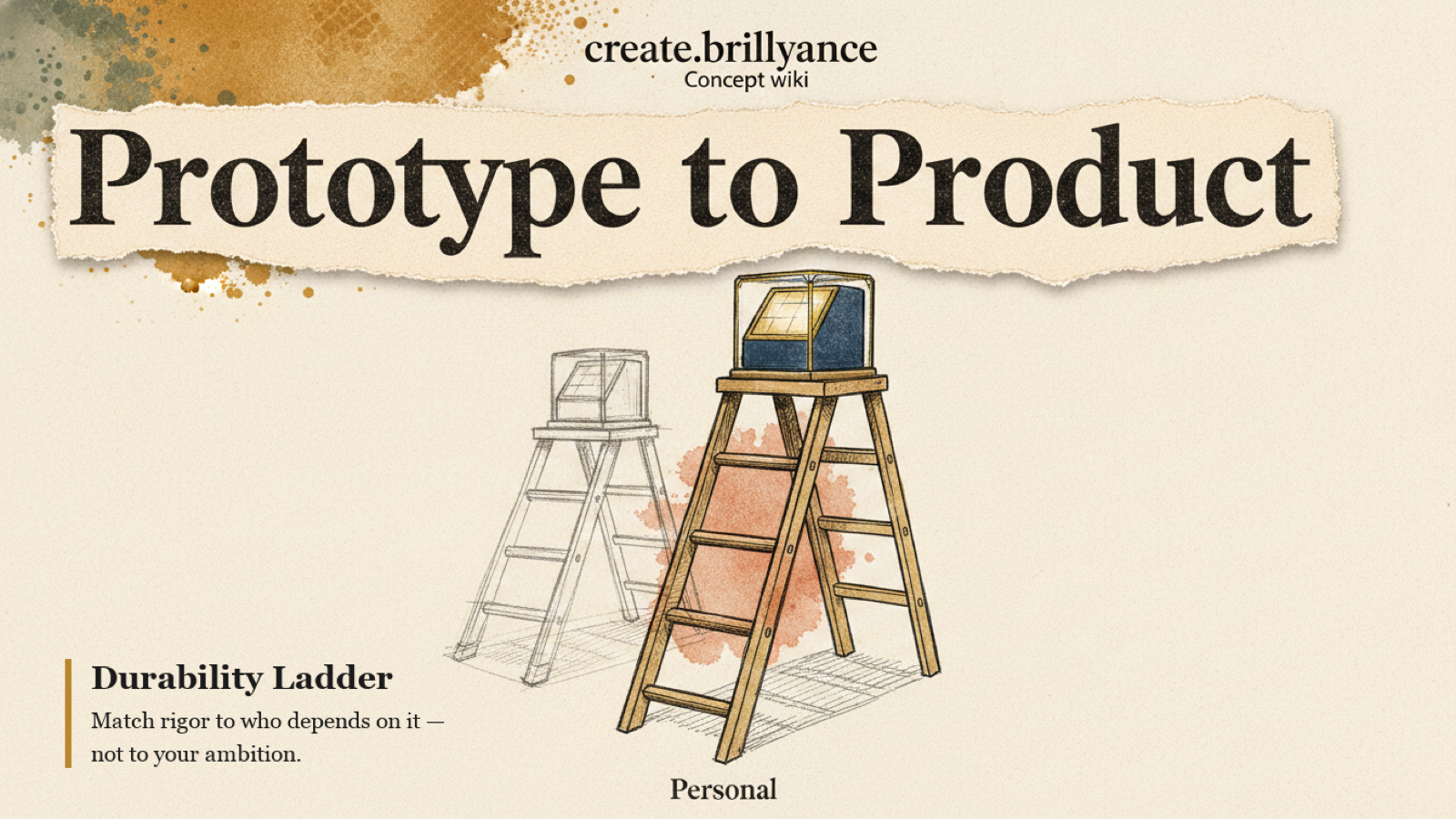
For product leaders, there are three things to copy. Give stakeholders live, scoped views so they stop interrupting the team. Treat single-use internal tools as normal. And decide in advance which actions your agents may never take in your name.