TL;DR
Imitation is the starting point, not the lesson
Mark Pincus built Zynga around a product religion most founders would rather not say out loud: start by copying what already works. The interesting part is not the copying. It is the discipline around it.
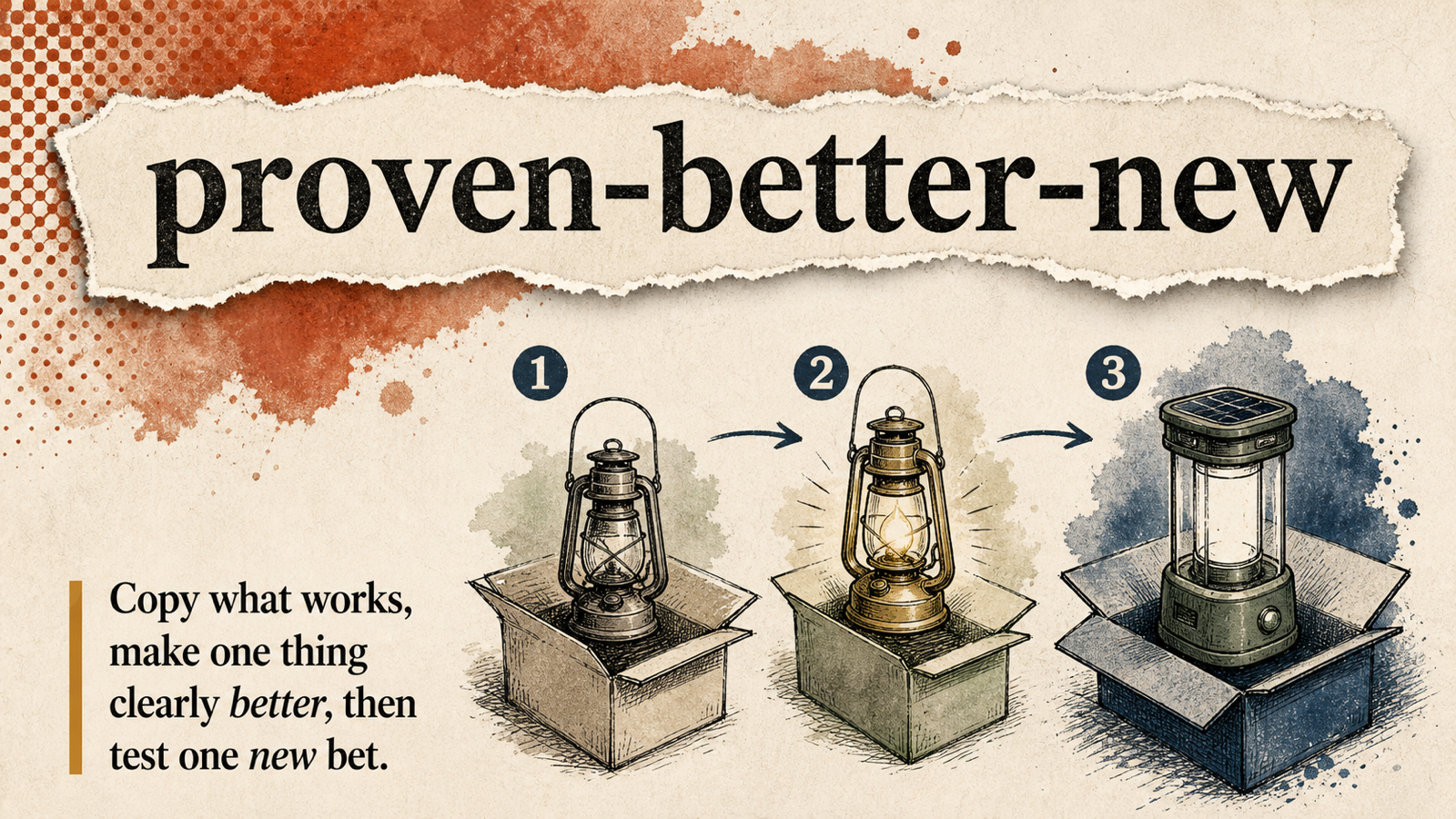
Pincus says good product work separates proven behavior, obvious improvement, and risky novelty. That gives a team a way to stop protecting hope and start testing judgment.
Attribution and thanks: this profile builds on Mark Pincus's interview with Lenny Rachitsky on Lenny's Podcast, with the wiki source trail preserved in the vault digest.
He turns imitation into a craft
Pincus is not arguing for lazy clones. He is arguing that founders should study the working thing before they try to transcend it.
His phrase is "get your PhD in proven." Understand the habit, the retention loop, the switching trigger, the distribution path, and the social reward. Then improve something the user can actually feel.
That view is uncomfortable because it cuts against founder ego. Originality feels noble. Recombination looks suspicious. Pincus's bet is that customers care less about the founder's originality than the founder does.
He treats hope as the enemy
The strongest Pincus line is not about copying. It is about hope.
Hope, in his framing, is confidence without basis. A team keeps building because it wants the idea to be right, not because evidence says the product is working. That is how a product becomes expensive before it becomes true.
His rule of thumb is useful for leaders: your instinct may be right, while your specific idea is wrong. The job is to preserve the instinct and kill weak ideas around it quickly.
His AI view is pragmatic
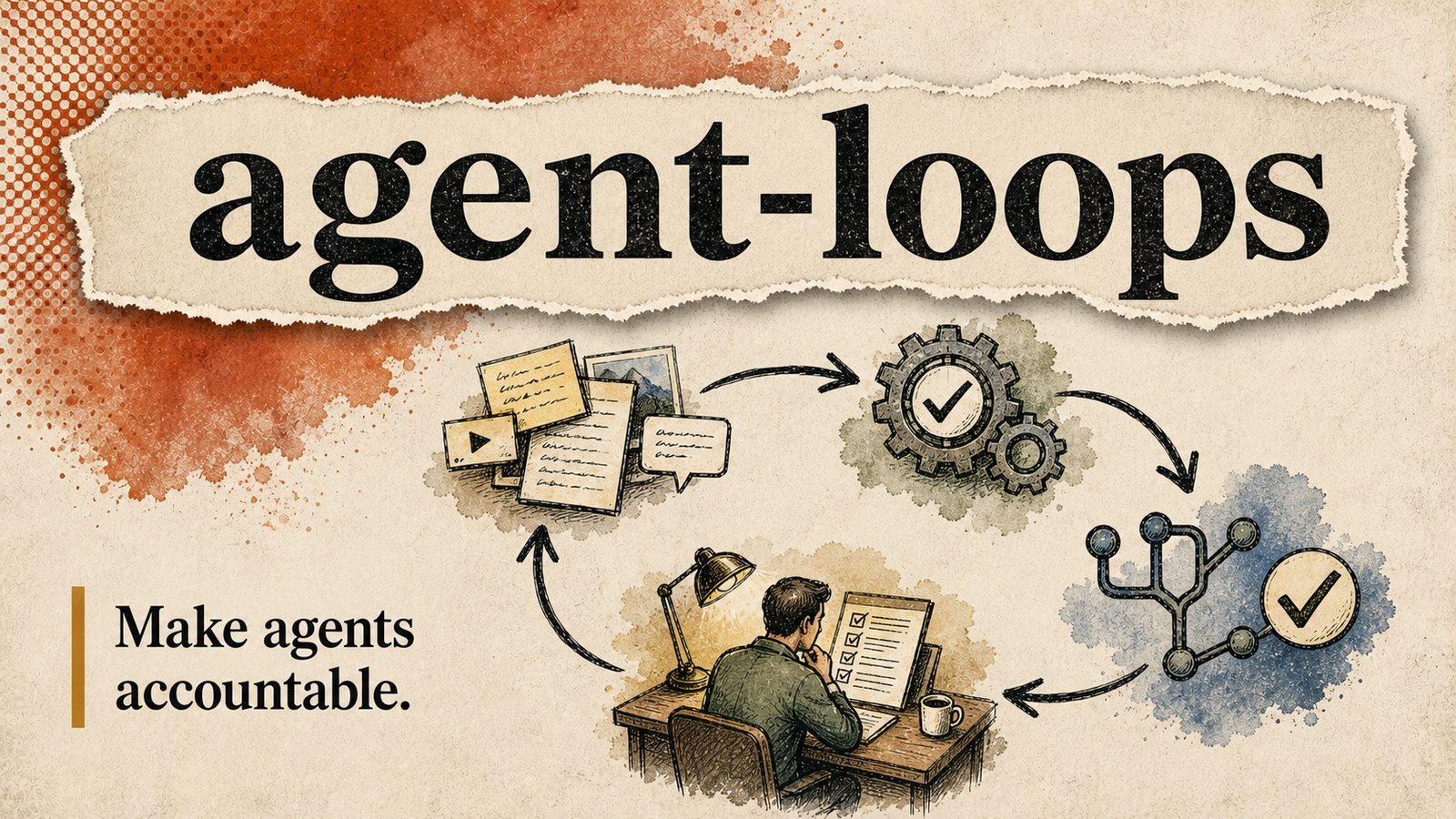
Pincus calls AI a failure machine. That means using AI to generate and test many ideas quickly, not to polish one fragile bet until the team feels attached to it.
The unit of progress is evidence, not output volume.
This is a better frame for product teams than "AI will build the product." AI can compress the time between a hunch and a test. It can make wrong ideas less expensive. It still cannot decide which customer truth matters.
Retention is his scoreboard
Pincus keeps returning to retention. In his view, the best products are not the ones that spike attention. They are the ones people still use long after the launch moment has passed.
That explains the Zynga lens. Virality helped. But Pincus frames the real score as long-horizon return behavior: who comes back, why they come back, and whether early engagement predicts later loyalty.
For a product leader, that is the more transferable lesson. Distribution can create a start. Retention proves a habit.
The useful lesson has a limit
Pincus is a strong source, not a neutral one. The interview is tied to his book, and many Zynga numbers are self-reported. Treat the stories as operating examples, not audited proof.
The lesson still travels. Do not worship novelty. Do not confuse effort with evidence. Do not protect an idea because it came from a good instinct.
Copy the proven job. Make one thing clearly better. Use AI to make wrong cheaper. Then let retention, not founder conviction, tell you what is real.