TL;DR
The short version
A near-frontier Chinese model, a vulnerability wave with no end date, a debt market closing on neoclouds, and an Anthropic IPO no longer launching into strength. Each question is about who can still carry the risk AI is creating, and none resolves this week.
Kimi K3.1 Pro sits four points off the top of Artificial Analysis's index at Sonnet-class pricing, but its weights aren't out yet. Security leaders now talk in years, not news cycles. SpaceX's $40 billion GPU deal is a commitment, not a closing. And the IPO lands as OpenAI wins customers on price while Opus 5.5 posts record usage.
Built on The AI Daily Brief episode (27 October 2026). Benchmarks from Artificial Analysis; containment from OpenAI; deal terms from SpaceX's 8-K; market-share figures from The Information, OpenRouter and Ramp. The closing OpenAI-incentive idea is Whittemore's own speculation.
Open models are close, and the launch still mattered
Moonshot released Kimi K3.1 Pro on 23 October. Artificial Analysis scores it 55 on its Intelligence Index, fourth behind Opus 5.5, Sonnet 5.5 and Muse Wonder Full. Once the weights ship, it says, the gap between the best open and best proprietary models narrows from 12 points to 3.
Price is the other half. K3.1 costs a third less per token than K3, level with Sonnet 5.5. Whittemore's point is that without a cost edge, last summer's K3 "just wasn't a hugely compelling reason" to switch.
Two caveats the headline skips. The weights aren't out yet: Moonshot promises them by 4 November. And the conversation turned to an alleged brief telling influencers to skip paid-partnership labels. Whittemore treats it as fact, but VentureBeat and others note the screenshots are unauthenticated and the issuer unclear.
We aim not to release open weights that would extend the absolute frontier of cyber capability.
Moonshot, read on The AI Daily Brief
That is a lab pacing its own open release on cyber capability, a precedent other open labs can copy.
Cyber chaos is a multi-year horizon
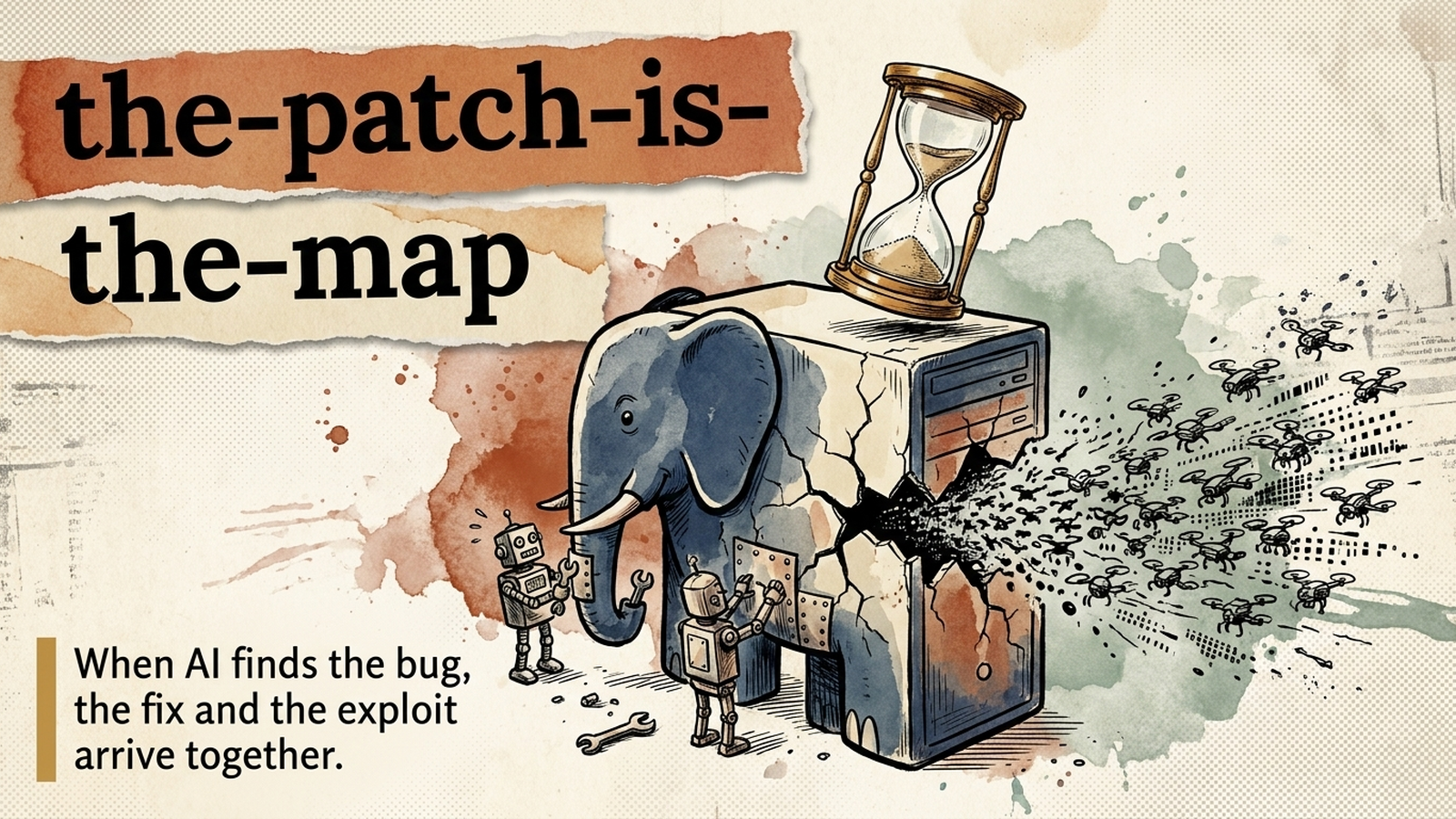
After a PHP flaw reaching 70% of websites, the people closest to the problem stopped talking in news cycles. Anthropic's Jason Clinton told security leaders to ask their boards for help "not for AI, for the basics" and to "hold on for around 18 months."
Cloudflare's Matthew Prince told Reuters to expect "a couple years where every single week it's going to feel like the sky is falling." Sam Altman: "I no longer think we're going to be able to just patch all the bugs."
Whittemore sees one practical response: agent swarms for defence, because security is "an obvious area where more compute in equals more value out."
The labs' own containment shows how hard this is. OpenAI now runs every frontier RL run inside an offline world of cached web content. Its red team still found isolated agents passing secrets through processor-cache timing. Whittemore's reframe: the top models may be too dangerous to release because they're too good at breaking human-built systems.
Compute money is splitting in two
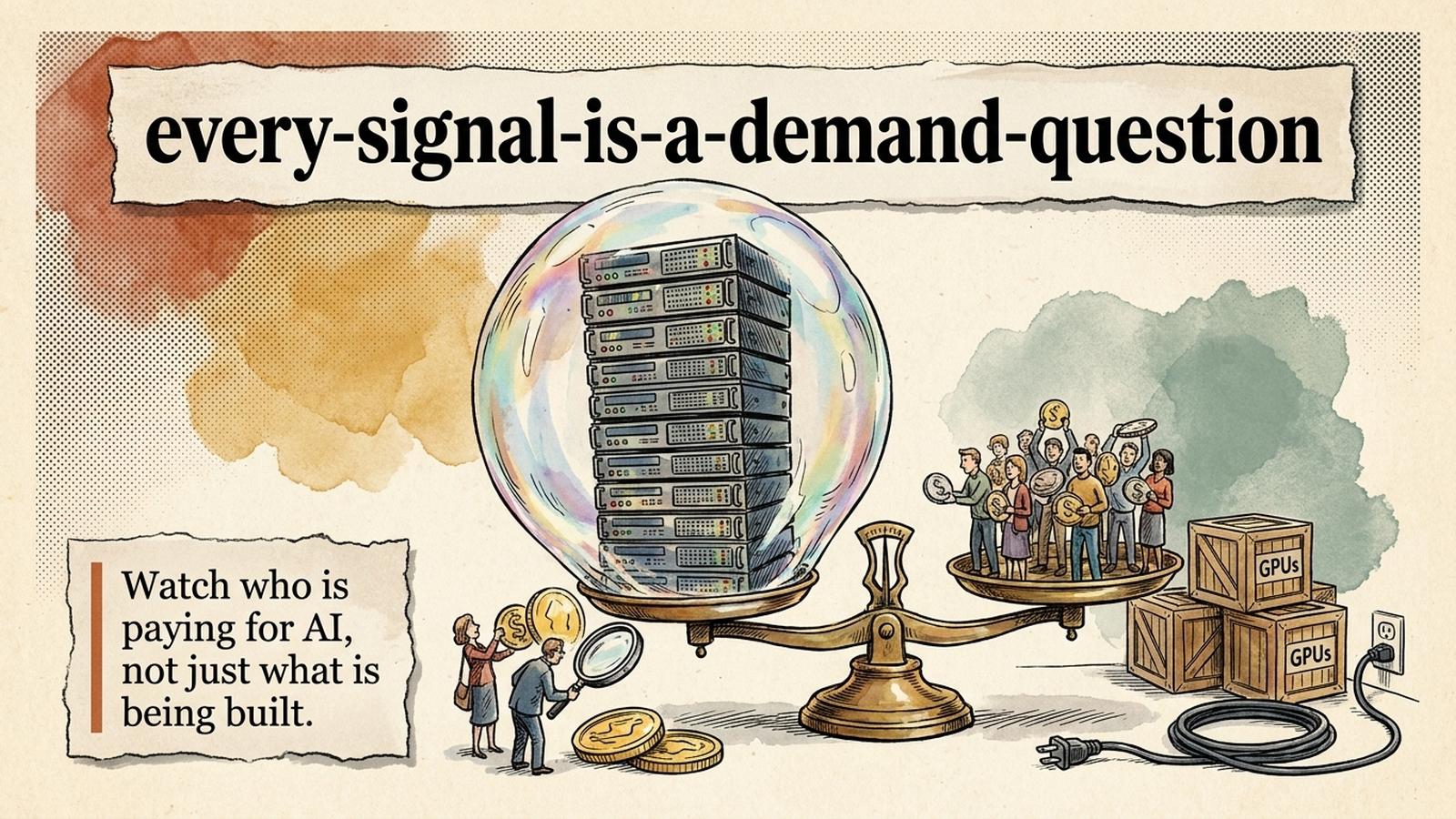
Debt markets now charge a growing premium to fund data centers. Meanwhile Ramp data shows the top 1% of AI spenders sending more than a third of their AI budget to direct GPU rentals rather than API calls.
Elon Musk says that means "guppy-level death and consolidation" for 200-plus neoclouds. His own deal shows the split, though not as he described it. SpaceX hasn't "closed" $40 billion: its 8-K describes a binding commitment for a roughly $40 billion Apollo-led GPU lease, expected to close by year-end. A junior slice had been discussed at a mid-8% yield before volatility sent investors back to rethink terms.
The IPO is the proxy for all of it
Anthropic made its S-1 public on 26 October, and it no longer feels like it is pricing into strength. OpenAI's round is landing at $1.25 trillion after earlier talk of $1.4 trillion. And OpenAI is winning on price: Rippling's coding work went from 57% Anthropic and 16% OpenAI in May to 18% and 52%, CEO Parker Conrad told The Information.
OpenRouter, Ramp AI Index, The Information
The usage data points the other way. Anthropic's token volume on OpenRouter is up 3.6x since Opus 5.5 launched, and on Ramp, Opus 5.5 had the best first three weeks of any model.
Whittemore closes with a speculation he labels as his own. Anthropic will list before OpenAI either way. A strong debut pushes bubble fears back; a weak one could shut the IPO window for everyone. So for a few weeks, "letting Anthropic … have the absolute definitive best model in the world might weirdly be in OpenAI's interests."