TL;DR
The short version
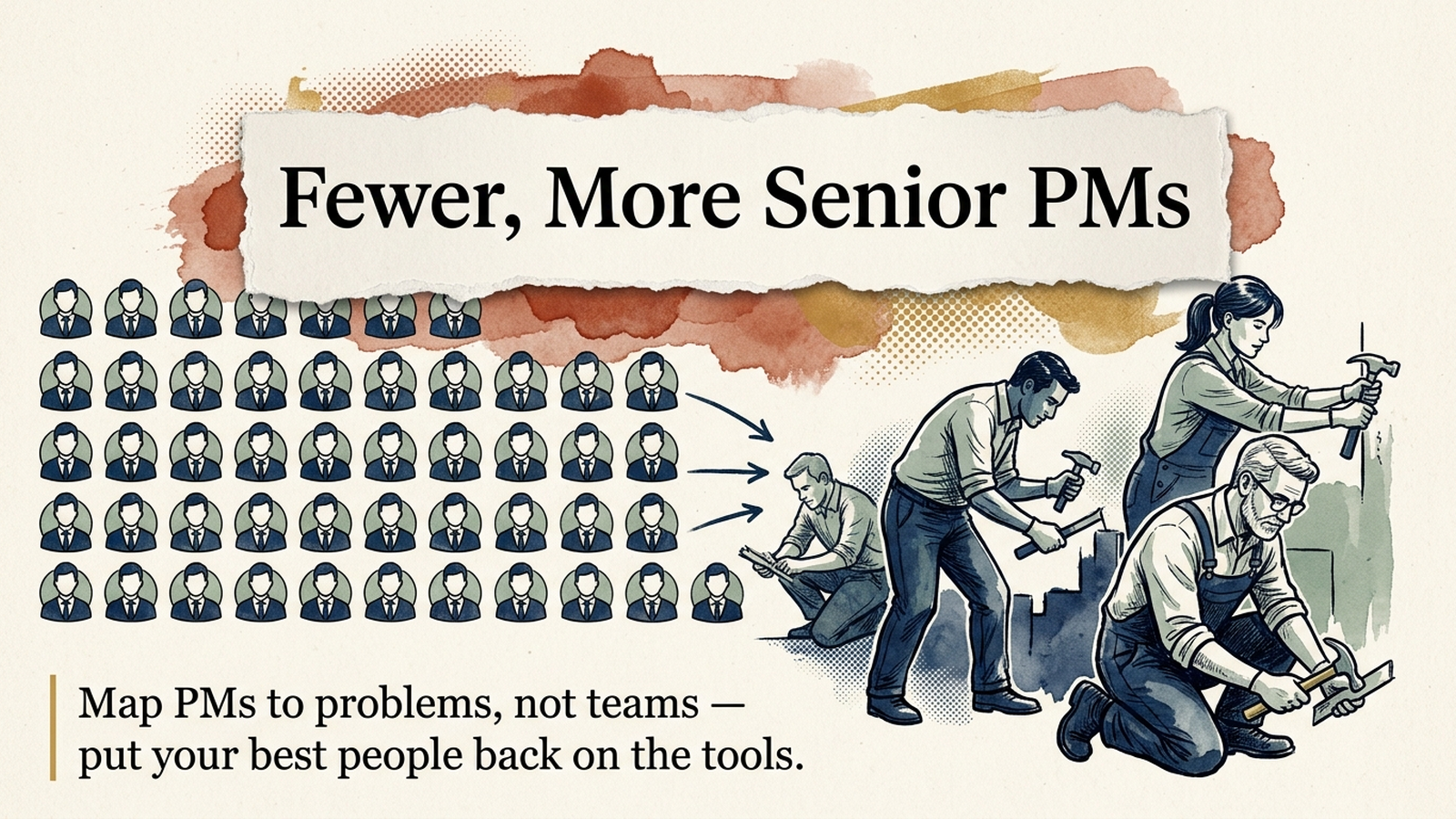
Most companies run a "funnel of doom": reach 100 people, interview the 20 who reply, hire the remainder. By definition that isn't the top 20% — it's whoever happened to be available. Remainder-based hiring regresses to the mean.
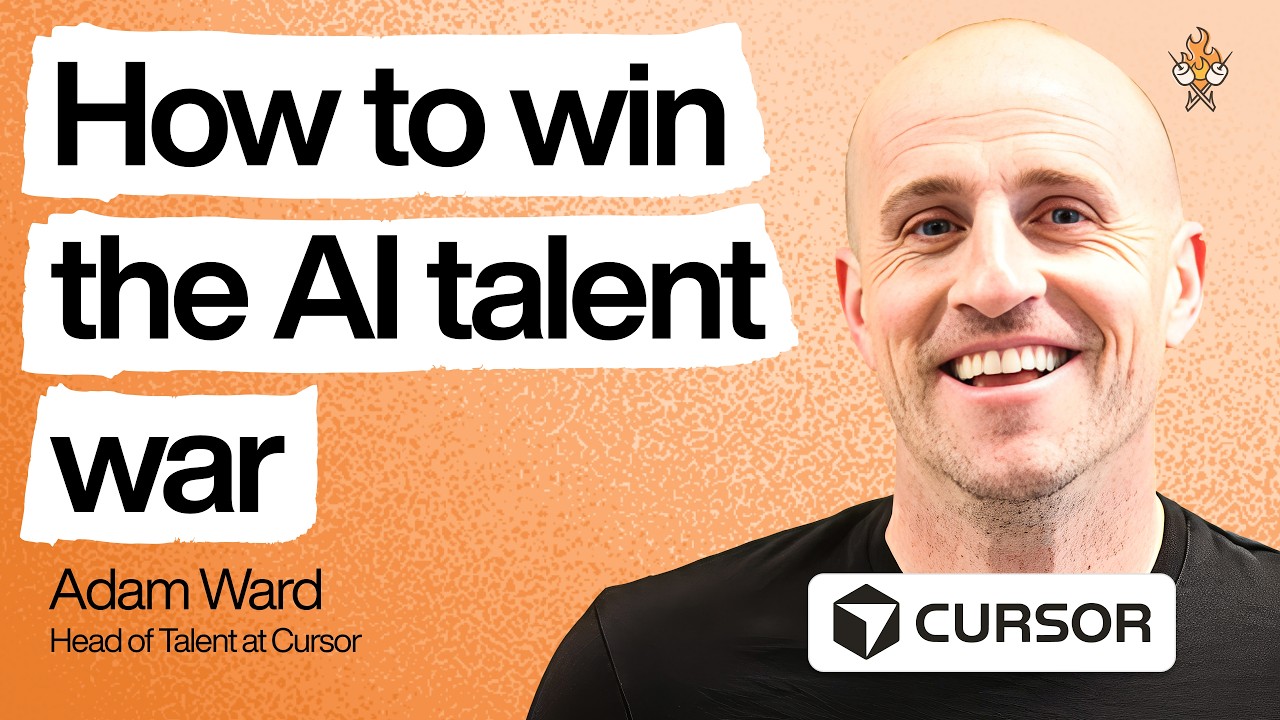
The elite alternative, from Adam Ward — who built recruiting at Facebook and Pinterest and now heads talent at Cursor — is to treat every hire like an executive search: scope objectively what "great" means, name the ~50 people who fit, and recruit each one over weeks or months.
Built on Adam Ward's appearance on Lenny's Podcast. Research nuance on selection methods added and verified.
The funnel selects for availability, not talent
Here is the default hiring motion. Reach out to 100 people. Twenty reply. Interview them, weed people out at each stage, and hire whoever is left.
Ward's objection is structural, not cosmetic:
By definition, that is not the top 20%. That is just the 20 people who you caught on a bad day.
Adam Ward, Head of Talent at Cursor
You started with a sub-optimal set, and remainder-based hiring regresses to the mean as volume grows. A good interview process can't fix a bad input. The pattern survives because we borrowed it from sales — but a sales funnel moves a static widget through rational stages, while hiring moves an irrational hiring manager and an irrational candidate through a process that is anything but linear.
Treat every hire like an executive search
The alternative runs the way good leadership searches already do: scope, map, pursue.
Scope first. Before talking to a single candidate, stack-rank the specific skills and experiences that define your top 1% for this role and this product. "I'll know it when I see it" is a tell that you haven't done the work. Good scoping sets your sourcing, your pitch, and what you assess against.
Map the names. Ask trusted people the right question. "Who's the best product engineer you know?" is the worst question you can ask. "Who's the most collaborative with designers, or can translate a framework into a product better than anyone you've seen?" is better — specific asks let sources triangulate to the same names, and those names become your target list of ~50.
Then pursue. You aren't hiring ten people to net one; you're trying to hire one of fifty. "We're trying to hire one person for this role, not 10," Ward says. "Don't get caught up in the 10. Get focused on the one."
The atomic unit is the person, not the job spec
Once the unit of hiring is a specific person, every touchpoint changes.
Recruiters stop owning the outcome and become a confidence engine for the hiring manager — the person who feels the joy or pain of the hire and makes the call. The first hiring-manager conversation, often crammed into 30 minutes, turns out to matter more than the on-site, because it's the person the candidate will actually work with.
Assessment leans on real work. Cursor runs long, side-by-side work trials; when the team tested removing them, signal collapsed and they brought them back. Ward calls work samples the highest-signal way to assess, which slightly overstates the research — meta-analyses put work samples among the top predictors alongside cognitive ability and structured interviews, not uniquely first. The direction is right; the superlative isn't.
And closing happens throughout, not at the end. Sell the intrinsic pull, not the number. For a high-profile candidate, the team runs daily stand-ups and spins up a dedicated Slack channel per person. Ward's phrase for the edge underneath all of it: "caring is free." Candidate-satisfaction scores are driven most by feeling genuinely wanted, and out-caring a competitor costs intentionality, not budget.
Talent density is a team property
The seductive error is to chase the 10x individual. Ward pushes back: "I don't think you can have a 10X person on a bad team. It just doesn't exist." Density is one over how many people — great managers are puzzle builders who assemble complementary teams, not collectors of stars.
And in the AI talent war, the binding constraint isn't money. "The unit of measure that matters the most is the most fixed and finite, which is time." Compensation is spiking everywhere; time to assemble the right team before a competitor does is what's actually scarce.
The boundary
Read past the source. This is a Cursor-employed recruiting leader on a sponsored, founder-audience podcast, and much of it is employer-brand content. Home-court office visits, curated meals, and a few-hundred-dollar bespoke gift are easier to fund at a company like Cursor — now SpaceX-owned and training frontier models on xAI's Colossus — than at a no-name startup.
The mechanism still ports. You don't need a Cursor budget to scope a role honestly, ask sharper sourcing questions, or care more than the company across the table. Those are free.