TL;DR
The short version
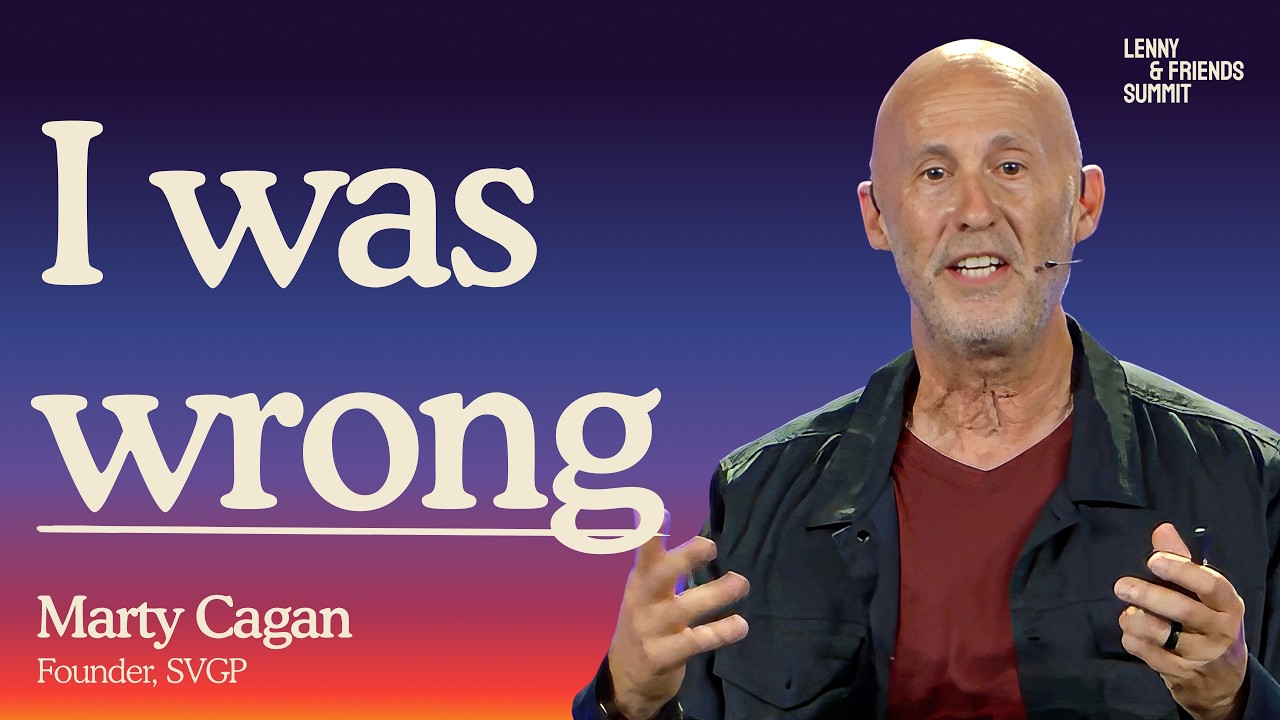
Marty Cagan lists ten genuine regrets against the 2008 first edition of Inspired: understating business viability, over-weighting problem discovery and missionary 'why,' underplaying humility versus predictability, politics, product leadership, governance risk, competitive intensity, and thinking versus process.
His close: AI helps more orgs demand outcomes and makes build-to-learn easier — so strategy and discovery craft matter more, not less.
Based on Marty Cagan's talk on Lenny's Podcast (published 25 Sep 2026; Lenny & Friends Summit).
What he understated
The most embarrassing miss is business viability — can you market, sell, and service a solution within legal, privacy, safety, and ethics constraints. Early Inspired centered value, usability, and feasibility; viability was buried. Cagan links the blind spot partly to years in developer tools where weak viability skills were easier to get away with. AI products make the miss costlier.
I completely understated the importance of business viability.
Marty Cagan
Humility vs predictability
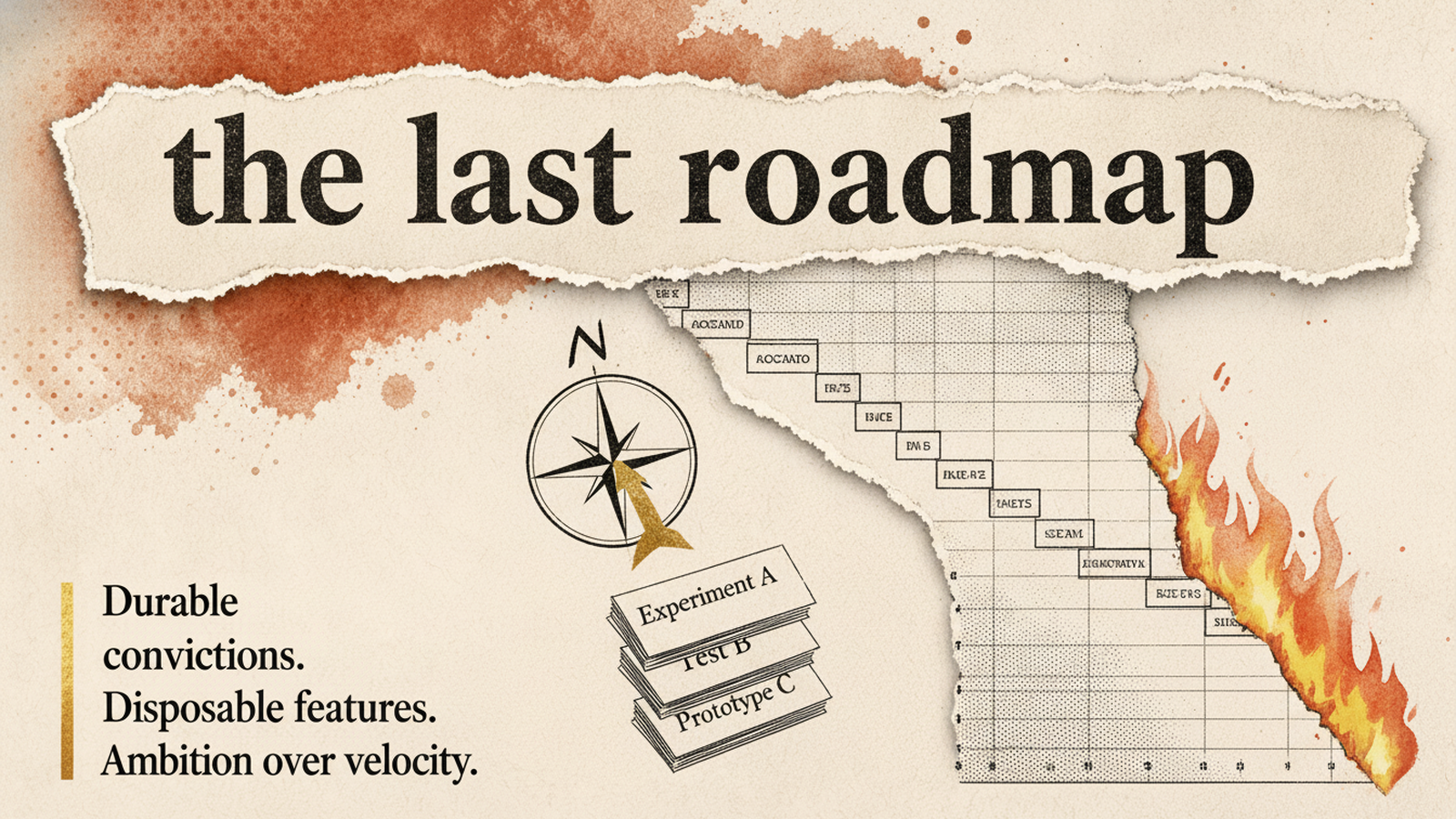
Problem discovery and missionary purpose matter briefly; innovation lives in solution discovery, and the harder why is why customers churn. Roadmaps and PRDs become failure modes when used as known requirements instead of evidence-backed communication. 'CEO of the product' was widely heard as anti-humility. Empowered teams need better management and shared strategy context — not less management.
Why he is still optimistic
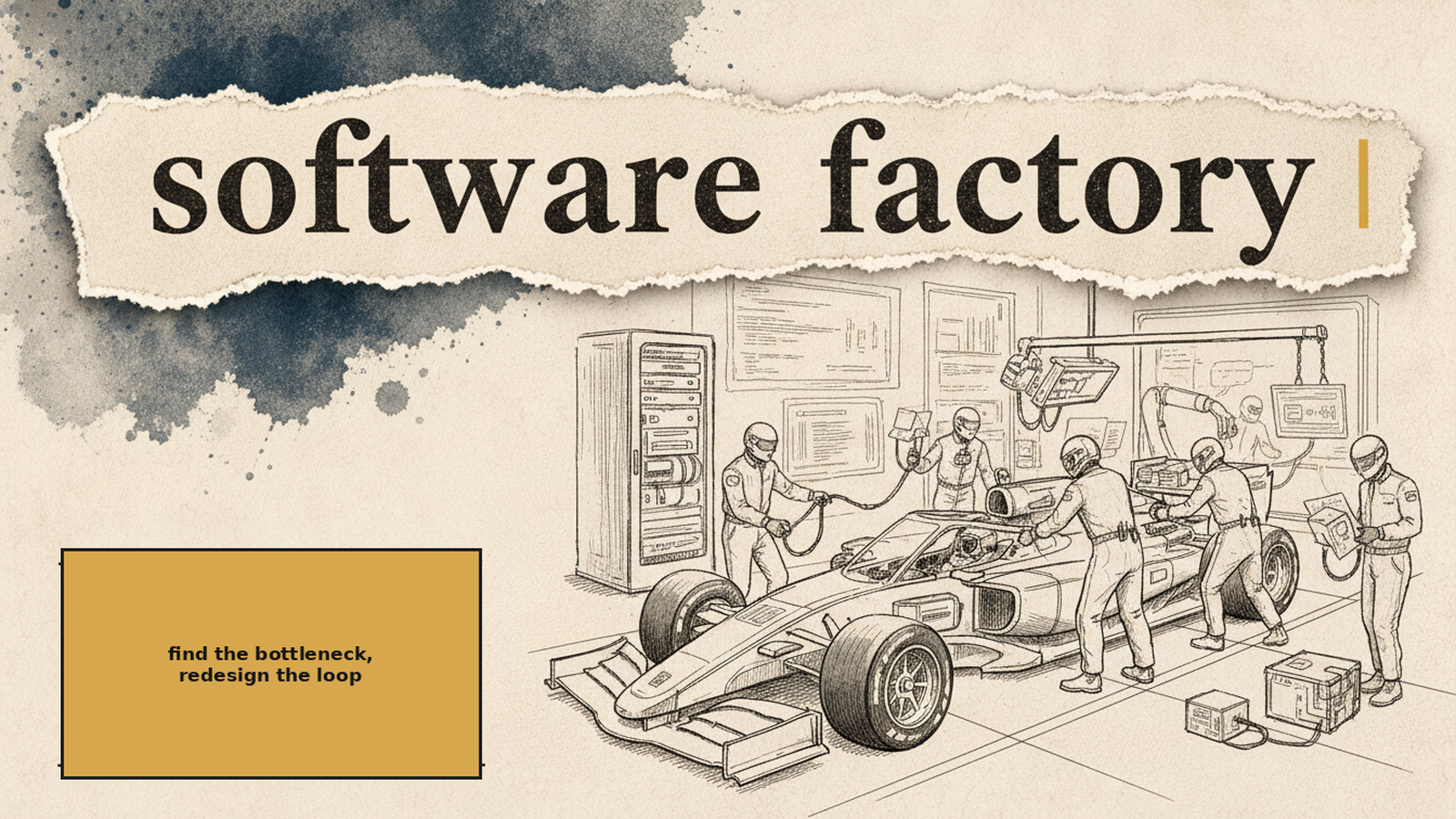
Politics, governance risk, and competitive 'blood sport' intensity were softer in his early framing than reality. Process — and now LLMs — can substitute for thinking. Still, AI is pushing more places toward outcomes and making discovery dramatically easier. Same-summit companions Claire Vo and Geoff Charles attack roadmap theater and build factories; Cagan supplies the humility check that keeps both from shipping arrogance at machine speed.